Tag Archives: New Directions

The Purpose of Fantasy

ThePurposeofFantasyThis is a good book.

I could end my review right there and still have told the complete truth, but that wouldn’t tell you why or what, or how you can acquire your own copy of this useful, soon-to-be essential, little volume.

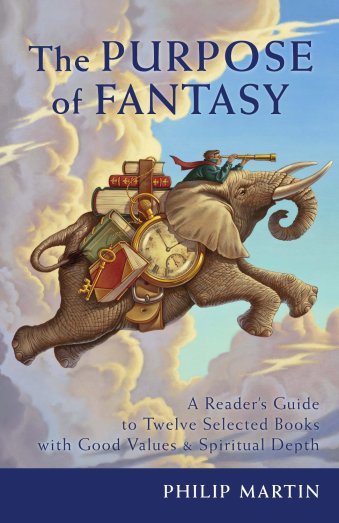
The WHAT and the WHO: The Purpose of Fantasy: A Reader’s Guide to Twelve Selected Books with Good Values & Spiritual Depth by Philip Martin. I met Phil many years ago at a writing conference in Oklahoma City, back when he still worked as the acquisitions editor for The Writer Books. He’d recently published the first edition of A Guide to Fantasy Literature (now revised and with a new cover, although I much prefer the dragon on my copy!). Since then, he has formed his own publishing house, as well as offering consulting and mentoring services for fellow writers.

The WHY:

As a writer of fantasy and science fiction, I have defended my chosen genres to writers who deem them lower forms of literature, as pop-lit or pulp fiction. (Well, I ask, doesn’t the “pop” in pop-lit mean the form is popular? There must be a reason for that.) Fantasy has been and will always be a viable and powerful literary form, and Philip Martin is its apologist:

Fantasy is different from other types of fiction. It is a wonderful approach to storytelling, and “wonderful” here means literally full of wonder. Unfortunately, it is often used in a very small-minded sense to segregate off a small type of adventure fantasy into a sub-genre, a ghetto of bookstores and libraries, where you mostly find books with sword-wielding barbarians, bushy-eyebrowed wizards wearing star-studded gowns, Arthurian knights galloping across medieval countrysides, perhaps a castle in the background, perhaps a scaly dragon sailing overhead, perhaps a warty, axe-wielding ogre lurking in the shrubbery. But fantasy is far more than this. Fantasy combines wonder and whimsy with a richly non-rational, spiritual, philosophical look at matters such as good and evil…Someone said that the difficult thing about fiction is that it has to make sense. Fantasy makes sense, but it doesn’t show us reality. It shows us an inner truth, without any need to be any more real than an occasionally invisible hobbit with hairy toes. (Kindle locations 134-150) (emphasis mine)

Martin goes on to say, “At their core, fantasy stories are about what we believe about some matter of spiritual beliefs; they tackle core issues of good and evil, and how we should deal with it all” (Kindle locations 155-156).

Amen, brother! Preach it!

But this is not a religious book, nor is it a book of faith, but a discussion of how the spiritual is illustrated by and becomes accessible because of fantasy literature.

The HOW:

His three criteria for choosing the twelve books included in The Purpose of Fantasy:

  1. They had to be really entertaining.
  2. They had to be worth rereading.
  3. They had to be worth discussing.

As a result, and without prior design, most of the books that made the cut are generally marketed to children.

C.S. Lewis wrote: “When I became a man, I put away childish things, including the fear of childishness and the desire to be very grown up.” Albert Einstein said, “If you want your children to be intelligent, read them fairy tales. If you want them to be more intelligent, read them more fairy tales.” (This may apply to adults as well.) What is clear is that the foundations of a person’s moral character are strongly shaped by influences and lessons absorbed in childhood. And the two things that fantasy is most about – imagination and issues of right/ wrong – are naturally in rich abundance in children’s books and stories. (Kindle locations 234-240)

However, the questions raised and the themes throughout are decidedly the realm of adults.

Some writers of fantasy have been quite annoyed to see their stories labeled as “for children.” These authors included the great fabulist Hans Christian Andersen, who insisted “my tales were just as much for older people as for children, who only understood the outer trappings and did not comprehend and take in the whole work until they were mature.” (Kindle locations 274-276)

Again, the WHAT (the books Martin discusses in The Purpose of Fantasy):

Momo by Michael Ende
Tuck Everlasting by Natalie Babbitt
The Little Prince by Antoine de Saint-Exupéry
The Silver Chair by C.S. Lewis
Finn Family Moomintroll by Tove Jansson
The Rope Trick by Lloyd Alexander
Gifts by Ursula K. Le Guin
The Last Unicorn by Peter S. Beagle
The Wind in the Willows by Kenneth Grahame
Charlotte’s Web by E.B. White
The Ocean at the End of the Lane by Neil Gaiman
The 13 Clocks by James Thurber

Reading this book was a joy. It reacquainted me with beloved books I haven’t read since childhood, and nudged me to become friends with books that have long been on my “to read” list. (I first learned of Momo from a popular South Korean television series, My Lovely Sam Soon, aka My Name is Kim Sam-Soon, and have been wanting to read it ever since.)

For me, there is a danger in reading interesting books that are also well-written. When I find something I like, something that speaks to me or draws me in, I will blitz through it. I skip across the water rather than immersing in it. This time, however, I read slowly, as Martin recommends we do when perusing the stories he suggests. Savor them, ponder them, ask their questions of ourselves. Feel the wonder.

Fantasy’s gift is to allow us to see our own world in a state of surprise and grace. (Kindle locations 475-476)

Or, as Antoine de Saint-Exupéry writes in The Little Prince,

“It is only with the heart that one can see rightly; what is essential is invisible to the eye.”

But fantasy is more than the fantastic or the spiritual. In the chapter titled “Is Fantasy Subversive?”, Martin opens with this statement:

 Some authors have seen fantasy as a good way to introduce a type of creative questioning, one that can shake up, or sneak by, a conventional perception. (Kindle locations 492-493)

And bolsters it with this:

Ursula Le Guin wrote that some adults are uneasy with fantasy’s inconvenient tendency to reveal truths – to tell stories in which emperors have no clothes. (Kindle locations 504-505)

I grew up in a strict church that, despite its words, seemed more concerned with appearances than with truth, and eschewed obvious sins while indulging in the more subtle, more insidious sin of pride. I was that kid who stirred up controversy by pointing out what was, to me, as plain as sunshine: There’s something wrong. There’s a disconnect between what they said they believed and how they behaved.

One of the teachings declared that most fiction was useless and even sinful, because it was lies. However, as a voracious reader, I consumed fantasy, science fiction, historical fiction, mysteries, fairy tales, folklore, and the like, as well as the many stories in the Bible, and gained much from them all. In a Native American folktale, I might learn about wise choices, which backed up a concept I might have learned in Sunday School or heard preached from the pulpit. In an African fable, the evil of lying might be reinforced.

Martin asks,

Do stories question authority? How often, for instance, do stories and books for young readers contain dunder-headed or threatening adults? Does that mean that those stories are anti-adult? More accurately, they encourage young readers to think twice, and compare what they see in real life to those fictional tales. (Kindle locations 576-578)

It’s not important which church I grew up in, or what I observed. It’s important that I read widely and asked the questions. Eventually, I came to see value in much of what I was taught, because it was true and solid and a good guide for life. However, there is also much I abandoned as untrue and harmful.

For a time when I was in elementary school and junior high, there was a fear among the adults who knew me that I would mix up reality and fantasy, that the fiction that so enthused me would overtake my reason or my faith. When I wearied of defending myself and the books, I hid them behind more acceptable volumes, read them under the covers, sat in secluded corners.

The key to opening the mind is to be able to imagine something else, to ask “what if.” But “what if” does not answer questions. It simply creates a portal, an opening to build the structure of a story on top of those questions…Minds of young readers are not so malleable or gullible that they swallow everything they read or are toldFantasy stories raise the question of Truth. But they don’t create it, and readers know that, because the worlds of fantasy are so clearly invented. Even more so than all the other branches of fiction, they are impossible worlds. (Kindle Locations 587-603) (emphasis mine)

It seems I cannot write a book review without applying it to my own life. That’s a good thing, perhaps, because it shows how well the book relates to me. Is it true? Interesting? Vital? Engaging? Well-written? The Purpose of Fantasy is all those and more. I recommend this book to writers and readers everywhere, especially those who see the wonder beyond the skin of the world.

Martin concludes the “Is Fantasy Subvervise?” chapter thus:

The solution, in a fantasy book, often comes from the smallest one who asks the biggest questions. (Kindle locations 608-609)

What’s your question?

*  ~  *  ~  *  ~  *

In addition to being an excellent and engaging writer, Martin is also an editor, mentor, and publisher. He’s the founder of Great Lakes Literary and its two imprints, Crickhollow Books and Crispin Books. Martin is blogging about the books he explores in The Purpose of Fantasy ( Mary Poppins, for instance), and readers are invited to join the conversation. Readers can also visit the Crickhollow Books page on Facebook.

One last note: Check out that awesome cover art! It’s called “Looking for a Good Book” and is by Greg Newbold. You can check out more of his work on his site.

Signposts of Hope

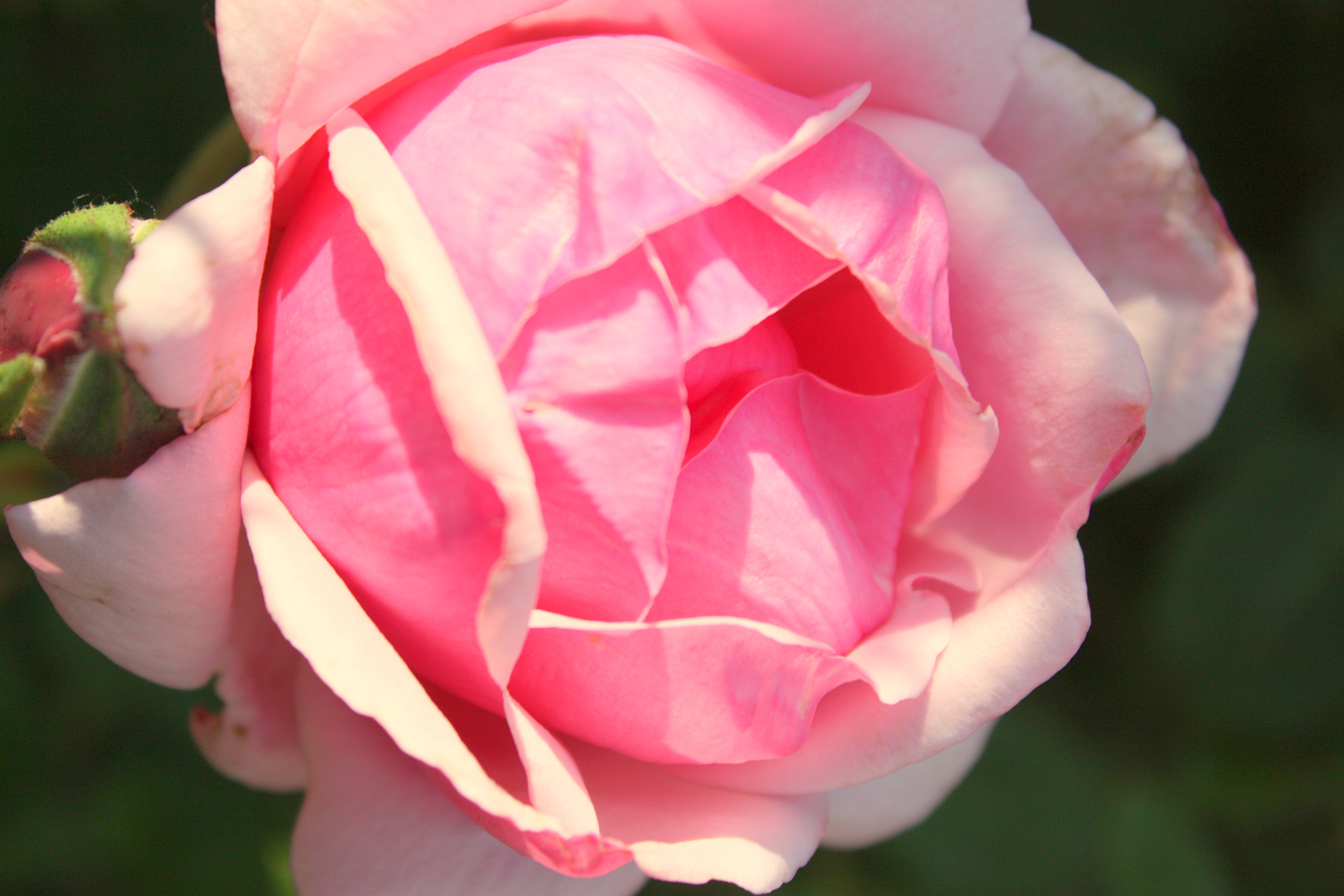
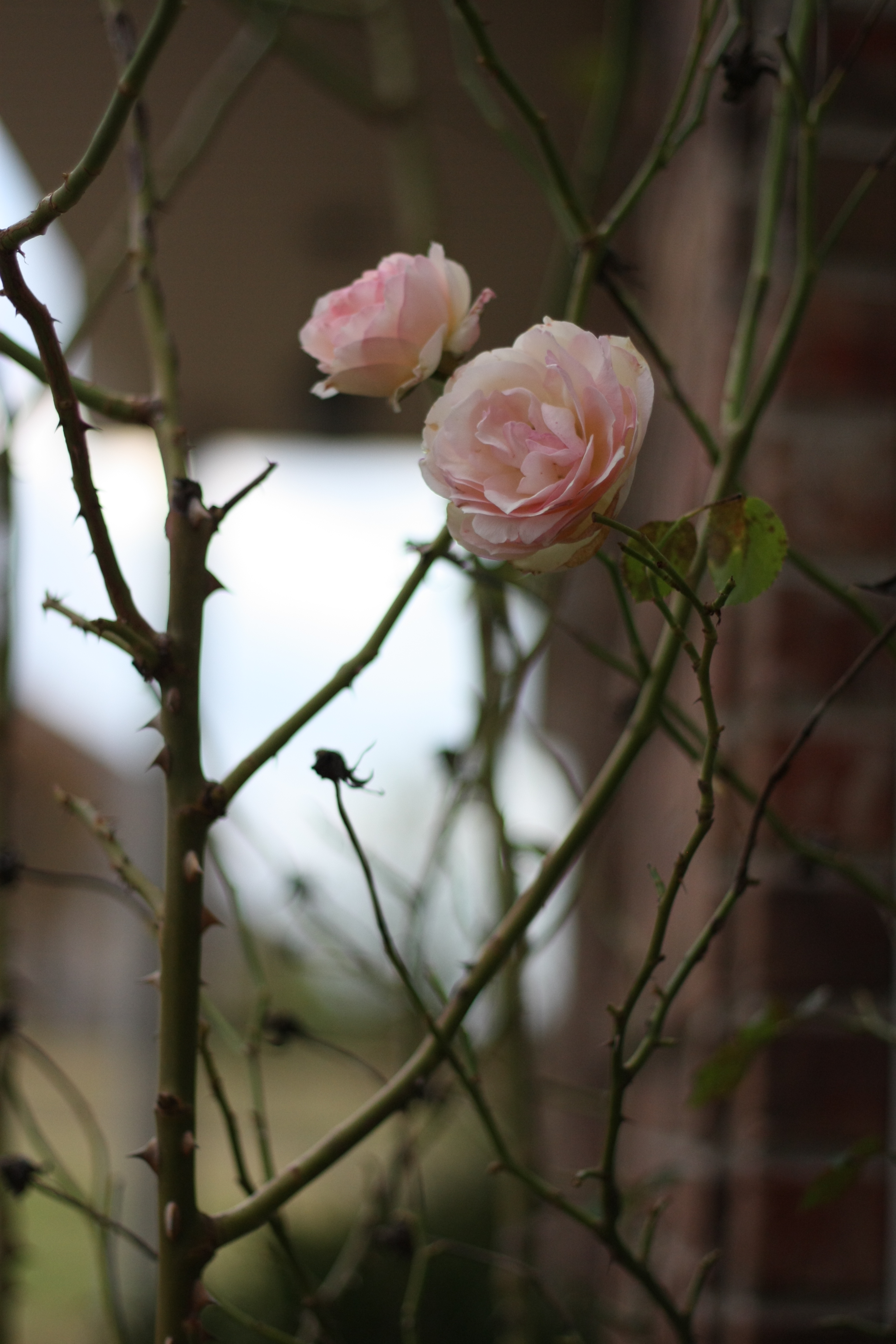
I photographed this little fella on a warm day last month, when the sun and the clouds fought for supremacy, and the autumn leaves waved brilliant colors to the wind. Surprise blooms from tenacious roses caught my eye. I grabbed the camera and contended with the wind and the ever-changing light.

This one looks like he’s smiling, a mischievous cross between a rose and the image that “snapdragon” conjures in my mind:

c2013, EE
c2013, EE

And more roses nearby, clinging to a brick wall then flying out of shot whenever the breeze wandered by — the precocious pink flirts:

c2013, EE
c2013, EE

Though no longer blooming, these cannes lily plants were sturdy, green, fresh, as if they grew in spring rather than in schizophrenic autumn, chill one day and summery the next:

c2013, EE
c2013, EE

Maybe ten feet away from all this new life was this tree, covered in the vibrant colors of waning life:

c2013, EE
c2013, EE
c2013, EE
c2013, EE
c2013, EE
c2013, EE
c2013, EE
c2013, EE

The end is not necessarily the end. There are signposts of hope, if you know where to look:

c2013, EE
c2013, EE

Now that tree limbs are bare and flowerbeds barren, now that my life hasn’t turned out as planned and my writing is taking new directions, these pictures are reminders that not all death is tragedy, not all unwanted change is failure, and not every loss is cause for mourning.

Matthew, Mark, Luke — and Dickens?

What if the innkeeper in Bethlehem had been named Ebenezer?

What if, like his Dickensian counterpart, he was a miser?

What if he met the Holy Family and turned them away — not because there was no room at the inn, but because the price of the room was too high for Joseph to pay?

71tOzSj59eL._SL1241_

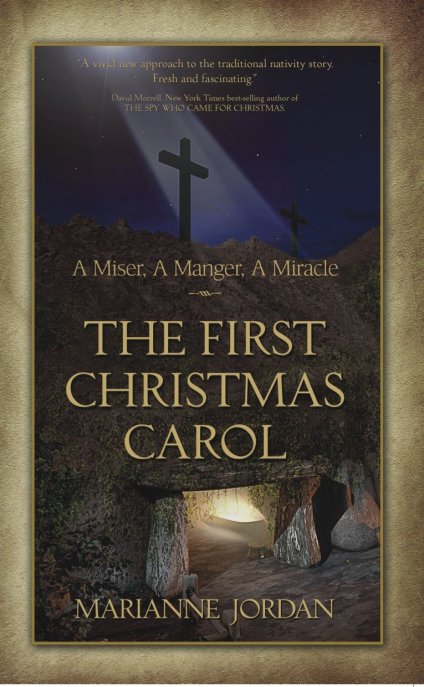
The First Christmas Carol: A Miser, a Manger, a Miracle by Marianne Jordan is a brief, powerful book combining classic elements of A Christmas Carol with the Biblical account of the Nativity to form a fresh-yet-familiar story.

Ebenezer turned and stepped through the doorway, his elbow brushing against the mezuzah hanging on the frame. Like the one at his home, it had been a fixture of the inn since its construction.And like the one in his home, the mezuzah was severely cracked and chipped. It was amazing it remained attached at all. Ebenezer refused to fix either. To repair them would have been an unnecessary expense.

Most Jews who came through the door automatically reached to kiss the small scripture casing, only to find pieces crumble in their hands. Ebenezer had all but forgotten it was even there, but now the disintegrating symbol caught his attention.The small indentation appeared to be the image of a woman’s face.

Was that—? No, it couldn’t be.

He squeezed his eyes and shook his head, slinging drops of sweat around him. When he looked again, the silhouette had disappeared. He tilted closer, running his fingers over the fissures. Impossible.

Ebenezer’s old partner, Jacob, is dead, but that just means more money for Eb. He’s reveling in the census, because that means more travelers coming to his inn. He ratchets up the prices. Who’ll complain? It’s not like they have a choice.

Just as Scrooge was visited by three ghosts sent by Jacob Marley, the innkeeper is visited by three angels announced by Gabriel. And, just as Scrooge was forever changed by revisiting his past, experiencing otherwise unknown aspects of his present, and seeing his future if he doesn’t alter his ways, so too is Ebenezer powerfully affected by similar journeys to different moments in his life.

He is especially unsettled by his encounters with a young teacher — the man that the infant being born in his stable becomes.

As the rabbi turned to resume his walk, he looked at Ebenezer. It happened every time the innkeeper was in the man’s presence. Ebenezer shivered. Could the man see him? There were even times when Ebenezer thought the teacher was speaking specifically to him.

“The more lowly your service to others, the greater you are. To be the greatest, be a servant. Those who think themselves great shall be disappointed and humbled, and those who humble themselves shall be exalted.”

Ebenezer and the silent angel of the future follow the rabbi all the way to his crucifixion. Ebenezer sees the empty tomb, but instead of gaining hope, he despairs, broken by deep realization of his unworthiness.

He is returned to the present, and goes to the stable in time to join the shepherds and others gathered there to worship the infant Savior. Hope returns, and the innkeeper will never be the same.

His heart is not the only one that needs opening. Interwoven with Ebenezer’s story is that of his assistant, Aaron, who is also changed the fateful night he and his family helps Joseph find lodging and Mary give birth.

Full disclosure: I edited this book. From the moment is was assigned to me, I was intrigued by the premise, and enjoyed watching this book change and tighten and gain power. I believe that reading The First Christmas Carol alongside the Book of Luke would make an excellent addition to family Christmas traditions, and I will be adding this book to my personal library.

The First Christmas Carol is available as an e-book (Kindle) and in paperback.

BONUS: Enter to win a Kindle Fire!

Blessed Betrayal?

On a social media site this week, a fellow writer started a new discussion thread:

What is the most valuable piece of advice you’ve received? Mine is a quote from from Peter deVries: “I only write when I’m inspired, and I see to it that I’m inspired every morning at 9 o’clock.”

The answer that sprang to mind wasn’t a famous quote or advice from a famous author, but something said about fifteen years ago by a writer who encouraged many others toward publication while she herself remained obscure: “So what?” and “Who cares?”

The best advice I’ve received wasn’t intended as advice, but as an offhand, snarky question: “So what?”

So what if Character X did thus and so? Why should the reader care?

That question revolutionized my storytelling.

I’m still learning all the time, and my drafts can be sloppy, meandering affairs, but when it comes time to edit the mess and turn it into something worth reading, “So what?” is a constant guide. It helps me determine what stays and what goes. It helps me revise dialogue from bland to tense, or turn an otherwise dull “just going from point A to point B” passage into a suspenseful journey.

In the end, because I’ve already asked the question of every scene, conversation, event, and plot thread, my hope is that no reader picks up my work, shrugs, and says, “So what?”

I don’t know where she is, the writer who tossed the casual question, or even if she still walks the earth, but she came along at the right moment in my life, when I struggled to return to writing after many years of literary muteness. For a few years after our chance meeting, she welcomed me into her inner circle, and many of us learned so much and were so encouraged that we took her word as gospel.

Then something happened — I don’t really know what — that changed everything. Maybe someone misunderstood something said or written. Maybe there was a power struggle, like children vying for a parent’s attention or approval. Maybe the teacher saw the students leaping past her, succeeding where she had not. Maybe we started questioning some of the advice and thinking more independently.

Whatever the reason, the kinship broke, and some of us were cast outside the circle.

We were angry, hurt, confused, but fledgelings might feel the same. The warm nest is no longer home. They must fly alone.

So we did. Alone together. And we succeeded. We won contests. We published our work.

That tight little group of survivors has broken once again. One married and moved away. One divorced and is selling her house. I moved to another state to help family. Another remains right where she always was, but is surpassing us all with her publishing achievements.

Still, some of the best advice we ever received was from the one who embraced us then betrayed us, and that, too, became a blessing.

So what?

The question ever remains: Had we stayed in the embrace, would we ever have left to become the writers we are now?

Always Greener: Extended Edition

Ever feel like you’re contending with / against your own life?

Everything’s a struggle, even when it doesn’t have to be.

Someone at work takes a notion not to like you. Your boss makes demands of you (he calls them “challenges”; you call them “soul suckers”). Family or friends know what’s best for you, even when they don’t. Especially when they don’t. You seem to live life in a hamster wheel. Dreams wither. You’re your own worst enemy.

Just as you’re the hero of your own story, you’re the villain in someone else’s. Or, if not the villain, at least the antagonist. Some folks enter your life to knock of your rough edges and help you grow stronger. In turn, you’re the sandpaper and fertilizer to others. (Take that statement as you will.)

Someone once wisely said there should be a statute of limitations on blaming our screwed-up lives on our parents.

Agreed. At some point, we have to stand on our own, look around, decide who and what we want to be, where we want to go, and shed all the crap that keeps us from getting there. If we don’t achieve our goals, let it not be said we blamed others and never really strove for the prize.

But, truth be told, some people do seem to exist simply to crush the dreams right out of us. How much joy can there be for someone who must always be right or in control? They often only see the bleakness in life, or all the bad possibilities, so they use their words, attitudes, and actions to cripple anyone else who might dare leap despite the risk. Well, maybe not leap. Maybe the optimist dares build a bridge that the pessimist refuses to cross. After all, it might collapse. And how dare anyone ignore or usurp the control he’s trying to wield? How dare they step beyond that boundary and live and think and dream for themselves?

Respect or control?

Whether they realize or acknowledge it, everyone wants to be respected. It’s not a matter of pride, but of common decency among fellow human beings. It’s nigh inherent in freedom-loving souls. I live my life, you live yours, we respect one another’s boundaries, and one need not dominate the other.

But what happens when someone’s negative attitude affects the group? Nothing’s ever done right. No one else can do it as well as that person. If one small hiccup occurs in the plans, then might as well scrap the whole day.

If anyone does something differently, then they’re usurping that person’s perceived authority, or they’re just ignoring them. While that may be true in some cases, many times the control-addict is not allowing anyone else to think differently, approach a problem or situation differently, or be in any way independent of the controller

Kinda reminds me of a totalitarian government, one which decides for its citizens what is acceptable or forbidden, what is right or wrong, who will live and who will die — but what is that government’s criteria for morality?

It’s a way to keep the people on edge and subservient, afraid to do anything that might rouse the ire of the monolithic motherland that can destroy them because today she’s feeling put-upon, threatened, or out of sorts.

This kind of thinking and behavior gorges the ego, and creates strife where none need exist.

So, like me, are you at war with your life and striving to take back control that’s been scattered to others who shouldn’t have that much power over you?

Or are you trying to exert control over everyone at work or at home, or elsewhere in your life, and you just need to let them be?

Once we get this sorted out, we’ll be much happier, you and I.

Well, perhaps not happier, but more content, more relaxed, able to see the world clearly and weather whatever life sends our way.

The grass isn’t always greener elsewhere. We need to tend to our own sod. Maybe the life we’ve always wanted is in our own backyard.

A Rose in the Wind

I’ve been in search of focus, calm, a quiet core of creativity and peace. However, like this rose blown about in the wind, the goal eludes me. The camera strives to focus, but can only capture pieces of clarity.

a rose in the wind      (c2013, EE)
a rose in the wind (c2013, EE)

There is light.

I’ve been finding old stories, pieces of unfinished poetry, barely-decipherable notes on odd scraps of paper towel or restaurant napkins or torn half-sheets from spiral-bound notebooks.

After long weeks and months of literary drought, ideas are coming, rain to parched ground.

No final decision has been made, but perhaps it is time to set aside editing for others, and write. Only write. Write until the dreams come true.


Fun With Research

waiting for Morning Court to begin (Beltane 2013) c EE
waiting for Morning Court to begin (Beltane 2013)                                 c EE

A few weeks ago, I went on a research binge for a couple of novels — one complete, one in the works — and in the process sent out a lot of e-mail asking for help. I was amazed at how many people were willing and eager to answer questions and provide leads to other experts. I was equally surprised by those who were standoffish and almost suspicious.

I haven’t contacted the nearby police department yet — there’s time enough for that —  but efforts to speak to any of several local paranormal investigation teams were in vain. Nary a reply. Maybe they’re afraid of being mocked by a skeptic or an unbeliever. Maybe they have no time for someone not in need of their services. Maybe they’ve given up the gig, and all their contact information is obsolete.  (Given up the ghost? Ahem-ahem-ahem)

A few hours spent with writers at the OWFI conference, however, yielded an investigator who answered my questions with far more information than I expected, and in the process gave me new ideas for a scene involving teenage ghost hunters.

He did mention that I could pay for a training session, and participate in an actual investigation, but those are for true believers. Although it might help my research, it’s not my scene.

c2013, EE
c2013, EE
c2013, EE
c2013, EE

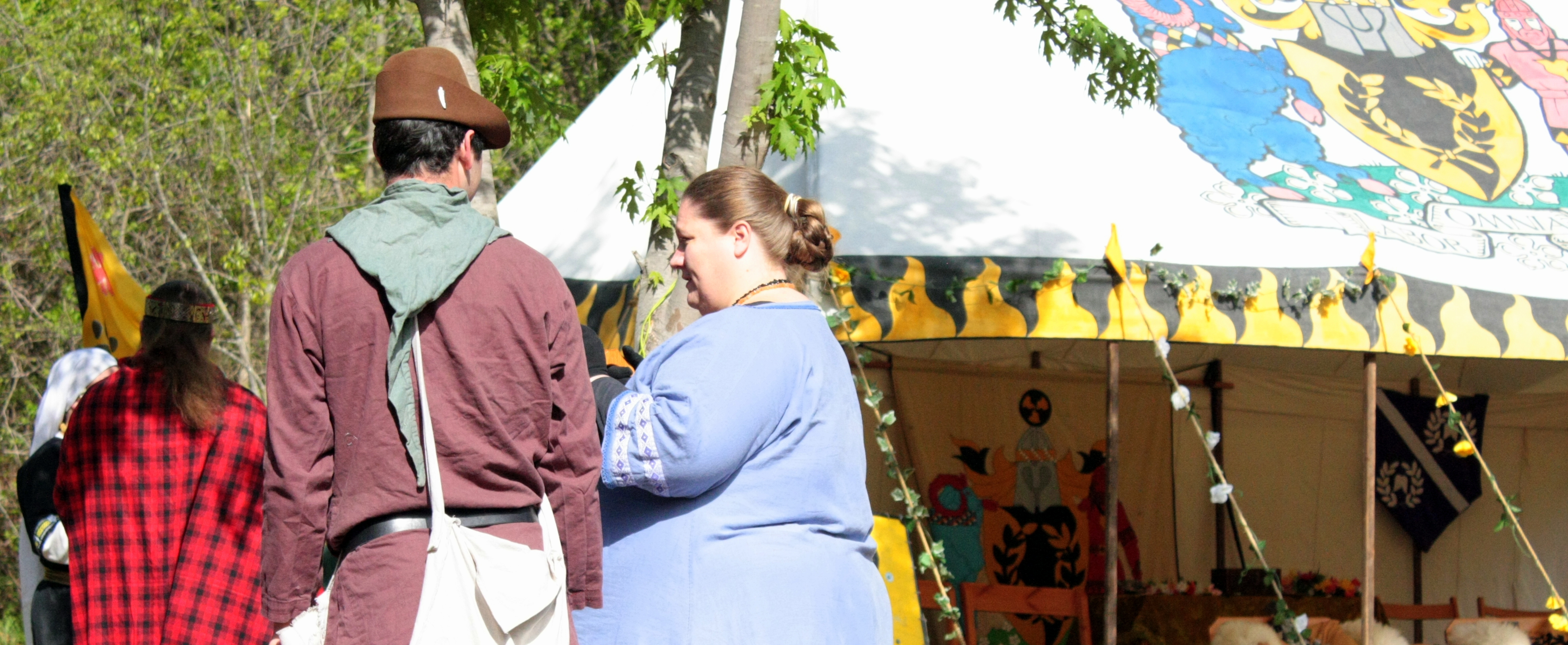
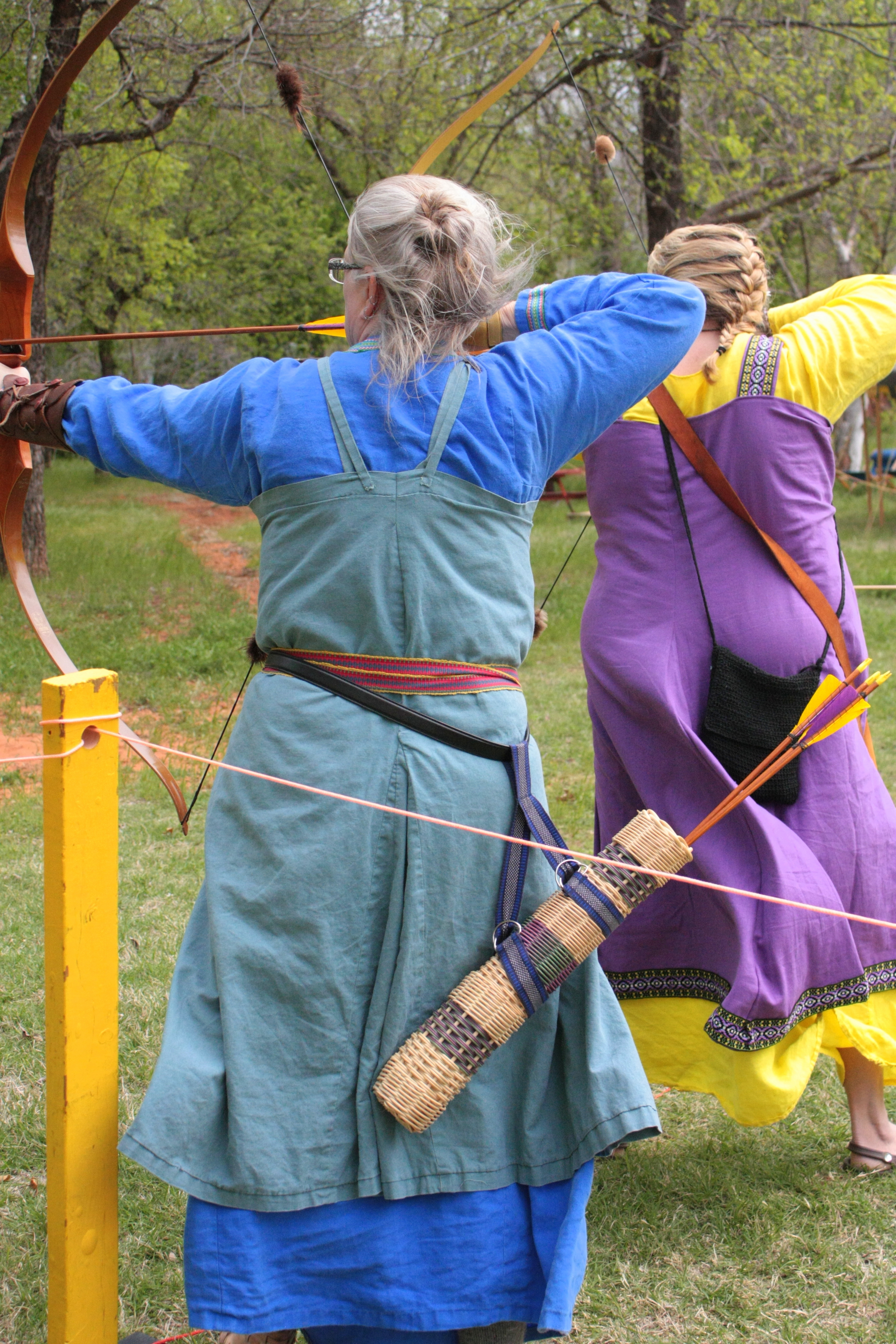
More in line with my interests, and one group that welcomed me, is the Barony of Namron, part of the SCA (Society for Creative Anachronism). They invited me to their annual Beltane event (a far milder and less pagan May Day than some). But rituals and pagan practices were not my focus, but smithing and all manner of crafts and weapons. No swordsmith that day, but a blacksmith named Simon, an archer named Lawrence, a few other craftsmen and warrior types, including female archers in Viking garb, and a whole lot of friendly folk willing to share their knowledge (and, in some case, volunteer other people as resources, but no one seemed to mind my nosiness).

There’s still much to ask, but first I have to know which are the right questions. Although I learned that I set up the smithy correctly in the novel, my blacksmith is limited in his knowledge due to my own ignorance.

He doesn’t have to know everything, because the story isn’t about the everyday life of a blacksmith — he just needs to be convincing and not sound or behave like an idiot. And, thanks to Simon, he won’t.

I hope.

After all, no matter how excellent the information, if I don’t use it correctly, my characters will suffer.

One solution is to be somewhat familiar with the topic before conducting interviews or gathering specifics. For instance, when I said I’m a writer doing research in order to make a fantasy novel more realistic in its details, people assumed knights and castles and tournaments and such.

c2013, EE
c2013, EE

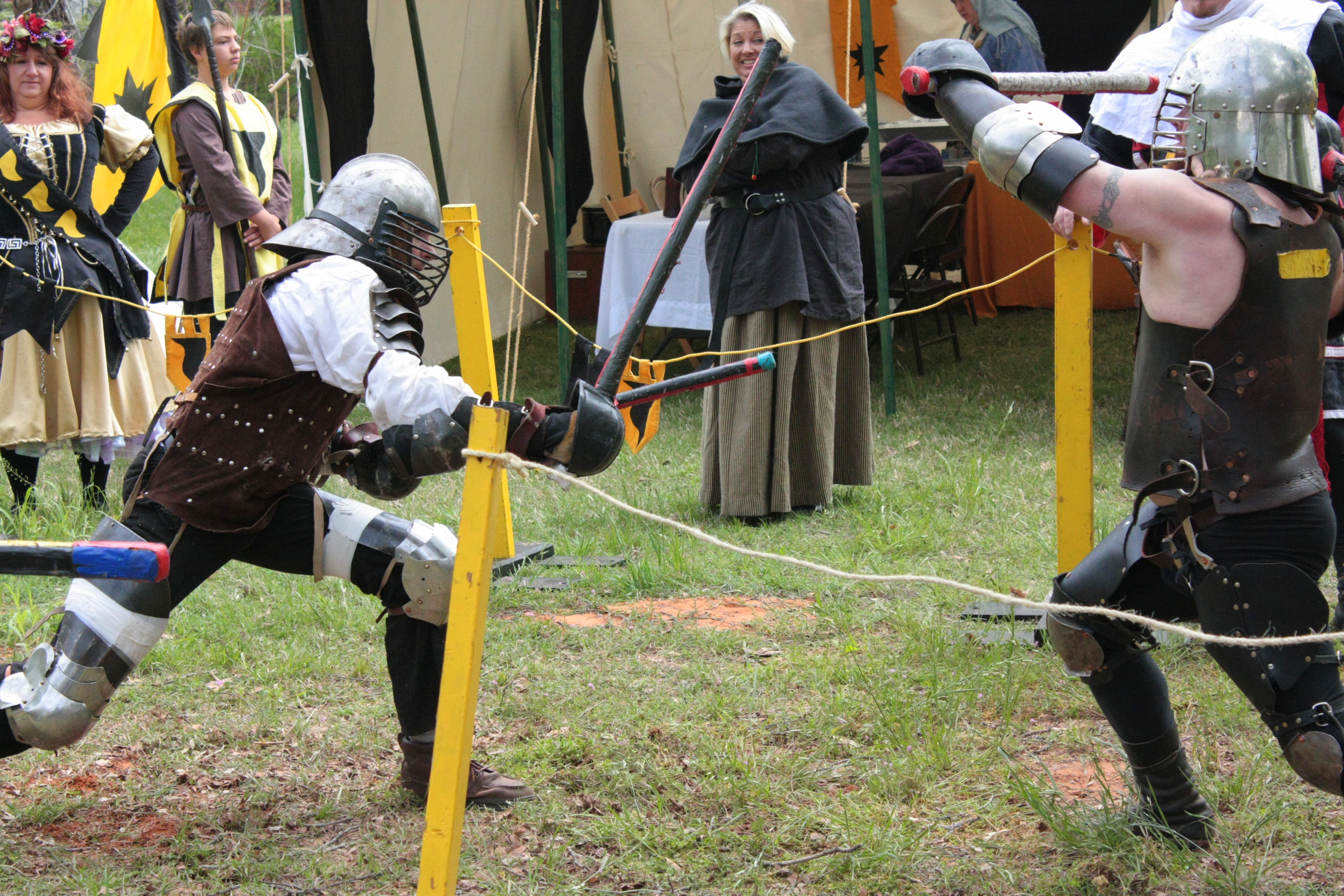
Nope. The fantasy novels are set in an earlier era than that of plate armor and heraldry. Still, it was fun to watch the combat.

Other topics to research further: archery terms and equipment, chain mail, swords (their making and their use), cooking, leather-working, and clothing.

No one looked sideways at me during the SCA event. Fellow geeks and all.

But what’ll they say at the police department when I start asking questions about homicides?

Giddy

geranium     c EE, 2010
geranium                  c EE, 2010

Bizarre, but I have been laughing out loud for no reason other than sheer freedom and joy.

Sounds cheesy, maybe a little old fashioned, but joy is the word.

A person can write wherever he chooses. I am not bound to a place.

A person can write no matter who loves him. I am not bound to a person.

A person need not write to find creative expression. I am not bound to a pen.

In my quest for freedom — not for license, but for true freedom — I have discovered that I have been my own jailer. I chose my chains and wrapped them around myself.

I sought comfort and safety, and erected bars around myself to keep out anything that interfered with those two gods. I wanted never to be hurt again, and so avoided rejection and conflict by telling myself lies.

If the truth were going to set me free, I had first to acknowledge that it is true, and then allow it to do its work.

But truth-telling — and truth-allowing — requires humility, patience, love, and even a sense of humor. If I have nothing to prove, no chip on my shoulder, no axe to grind, the truth has elbow room: it can roll up its sleeves and do its job.

Amazing how much room joy has, too, once I decided what I really and truly want; once I knew what matters most.

One certainty: there’s no use wasting time beating against what I cannot change. My efforts, thoughts, hopes, and creativity are better spent in doing those things that are within my scope to change and to accomplish.

In Hamlet, Polonius said to Laertes, “To thine own self be true, and it must follow, as the night the day, thou canst not then be false to any man,” to which I add this saying by martyred missionary Jim Elliott: “He is no fool who gives up what he cannot keep to gain what he cannot lose.”

I know who I am. I have nothing to prove. I am free. The world lies yonder, waiting for me.

Preparing — and Dreaming

The sky is hazy, a gray veil over pallid blue, as if dreaming of spring but not yet ready to leave winter.

a March day, c. 2012, EE

Like the sky, I miss the sun, and strain toward the new season, knowing it will bring storms as well as sunshine, but longing for change, for newness.

My mind has been occupied with preparations and what awaits: a new house, a new state, a new church, a new city. For someone accustomed to small-town living, I have enjoyed living in the suburb of a city. It breaks the metropolis into manageable pieces. Makes the city not so scary.

In fact, since I’ve been here, I’ve not seen the city proper, just my small radius of comfort.

It’ll be much the same in the new place. However, I’ll be challenged to explore there: old friends live nearby, museums beckon, a memorial stands silent and compelling, history soaks into the very bones.

Once this frenzy passes, and preparation yields to action, then action to settling in, perhaps my mind will quiet enough to see the way back into a novel too long set aside by the expediencies of life. Perhaps I can sit in silence and play the story as if it were a movie hovering in the air before me, and once more populate empty benches with imagined characters.


By Honor Bound

Written for a contest several years ago, this story was also partly the result of a dare among fellow writers: who could write the best romance? According the strangers and friends alike, my name sounds like that of a romance writer.

Unfortunately, I write more in the fantasy / adventure vein, and romance among characters is difficult for me to write well. This time, however, was one of those rare instances when the story wrote itself.

Enjoy! And if you don’t, well, an honest critique is always welcome. It’s how I learn and improve.

By Honor Bound

She does not kneel. She does not bow her head. She does not utter frightened allegiance. She does not beg. She could be one of the Northwomen, strong, proud.

Bearskin cloak broadening his shoulders, the chieftain strides forward.

from moonslightmagic.com

She does not flinch.

He strikes her with the back of his hand.

Her head snaps sideways. She almost stumbles but she stands, chin up, eyes defiant. Touching the red trickle running from her mouth, she licks the blood from her fingertip.

Watching from a short distance, Soren feels a surge of lust.

He smiles at his father’s frustration. The chieftain towers over her, his fists clasping and unclasping as if clutching for stolen power; in silence, she robs Asgard of control.

Long waves of honey-brown hair hang down her back and over her shoulders, falling past her hips. Despite the bruise blackening her cheek and jaw, her skin glows golden. She is accustomed to the sun. Through the tight-fitting sleeves of her silken kirtle, her arms show the sculpting of one to whom physical labor is not unknown. She is not the usual prize.

At her feet lays the pierced, bloody body of her betrothed, a fine-clad stripling with more heart than skill. Soren feels little pity for him. Better to die in glory, sword in hand, than to die slowly in the shadow of a woman stronger than he.

The chieftain growls an order, and men bind her hands behind her. “Put her on a horse!”

“On whose horse, Asgard?” one warrior asks. “We lost no men this day.”

A wicked eyebrow cocked, the chieftain grins. “Choose.”

Fighting, immediate and brutal, breaks out around her. She will belong to the man with whom she rides, as his slave or his wife.

“Soren? Have you no desire for her?” Asgard asks. “A woman in need of breaking?”

Soren considers her calm face and uncowed posture. “Not broken. Won.”

Asgard grunts. “Then win her. And bring the blood.”

Soren dismounts his sturdy north-bred horse and strides through the fray. Fools! To fight but leave the prize unguarded.

He hoists her over his shoulder like a sack of grain, and takes her to the only building still standing in the ruined village—a hut clinging to the hillside like a goat clinging to a mountain.

The fighting fades. A hush follows. He knows the men watch.

Kicking shut the door, he stands her on her feet, cuts her bonds then crosses his arms, studying her in the dim light sifting through cracks in the hovel walls.

Hands at her sides, she again defies the expected, not rubbing her wrists where the rope chafed them, and breathes in quiet evenness beneath the fitted silk of the kirtle. Gray-green eyes, the color of the sea under a stormy sky, gaze at him with unnerving steadiness. A plain leather belt girds her hips, the tongue of it falling between her thighs, a suggestive circumstance that stirs him once more.

Won. Not forced.

I am Soren.” He is irritated at the unsettled feeling in his stomach. “Asgard, my father, gives you to me.”

My betrothed is dead”—her voice as detached from emotion as the sun from the earth— “I belong to no one, nor do I give myself to any man.”

Pride will not save you.” Soren uncrosses his arms and steps forward. Her posture makes her appear taller than she is; the top of her head does not even meet his chin.

He fumbles to find his argument. “Those men will take what you will not give, and your pride will diminish with each taking until the woman you are now will not know the woman you will become.”

Her smile, small though it is, curves full lips into rosy sarcasm. “The barbarian speaks with gilded tongue. If more of your kind wielded such skill with words, your wives would come more willingly to bed.”

He speaks more mockery than truth. “We take them fierce, and breed strong sons.”

Who yields the strength?” Sea eyes glitter with battle. “The forceful fathers, or the long-suffering mothers? The wind howls against the mountain, but gentle rain carves the stones.”

He reaches for her. She spits in his face.

Dragging a finger through the warm spittle running into his beard, he places it into his mouth with deliberate mockery.

Her lip curls.

Highness,” he wipes his face with a battle-stained sleeve, “there is only one way out of this hut. Only one way my honor remains unchallenged. Only one way your pride remains untouched.”

Fear crosses her face for the first time since the body of her beloved was tossed at her feet. As if to calm her fluttering heart, she raises a hand to the low neck of her kirtle—and draws a knife.

He flings up his forearm, hears the blade drag across the leather vambrace then twists the knife from her grasp. Hand to her throat, he pushes her back against the center post of the hut.

Her nostrils flare, her eyes narrow. Her pulse is warm beneath his palm.

Clever, highness, but now what will you use? Teeth? Claws? Kicks? Those have never prevented me before.”

The shadow of sorrow behind the contempt in her eyes, and the slenderness of her throat beneath his broad hand, checks his anger. He nods toward a stool in the center of the floor and releases her.

Back as straight as a ship’s mast, she sits, smoothing the kirtle over her knees, turning the tongue of the girdle so that it drapes at her side.

Pity.

Tapping the knife against his leg, he leans against the crude stone chimney. “The coastal kings are known for their prim ways. Oh, they have their secret lovers, but they have their public queens. And great price is placed on the purity of those queens.”

He pauses, searching her face for understanding. There is only hatred.

You are pure, else no marriage contract would have been sealed between your father and that of your beloved.”

Beck is not—was not—my beloved.” Her hands clench on her lap. “He was more brother than lover. He was kind. Brave.” Grief does not overcome her. Lifting her chin, she looks up at him, devoid of tears. “No matter what you do to me, Beck will be avenged.”

The man who wins her will never truly be the conqueror. Yet desire flames in him. He must have her.

My father requires proof your defenses are breached, highness. Either you give yourself willingly, and I present the blood to Asgard, or I take you by force, and still present the blood to Asgard.”

She seems not to hear, her eyes thoughtful where once they were angry. “How is it you speak so well? You could almost be a noble in my father’s court.”

Osric and his court are dead.”

I am aware of my loss.”

How can she sit there, so calm and controlled, while everyone she knew or loved lays dead in the ruined streets?

A wild horse, anger gallops through him. He reins it in, slowing and deepening each breath. Whether angry at her stillness or at what was stolen from her, he refuses to surmise. Such thoughts are not for warriors.

My mother was, like you, the daughter of a coastal king. It is her speech you recognize.“

Did your father love your mother?”

He named her wife.” The tendons in his neck tighten. “You seek to turn the point, highness, but—“

Why did he give you me?”

Perhaps you remind him of her.”

Then why not take me himself?”

He has women enough.”

Will you strike me as he did?”

Soren shoves the knife into his belt and yanks her up from the stool. “You are mine.” He bends until their faces are a breath apart. “If you shame me today, I will shame you every day hereafter.”

Gone is the silver speech,” she murmurs. “Without it, bedding will be an empty thing. For us both.”

If words are what you want, I’ve words aplenty.”

She tugs at his belt. His body responds, hot and urgent. He reaches for her other arm to draw her to him.

Steel taps his chin. She holds the knife to his throat.

Slowly, he releases her and steps backward.

I care not for your honor or your shame.” She retreats, placing only a wall of air between them, for he stands before the door.

Fury wars with lust. He says through clenched teeth, “You will regret those words, highness, after my father’s men have had you. Many times.” He forces a smile. “Drop the blade. Take pleasure in the inevitable.”

It is you who will regret.” Her knife does not waver. “If I do this thing, none of the coastal kings will ransom me.”

No ransom will be asked.”

The knife tips in her slackening fingers.

Even if Asgard sought treasure through ransom,” he draws his war-sword from its battered leather sheath, “what is your knife to this?”

He burns, wanting her to come willingly to him, but his persuasions are at an end.

You are a harsh suitor, Soren Asgardson.” She turns the blade toward her breast.

A chill stabs him. No warrior contemplates self-murder, for the soul is then doomed to wander forever, a dark haunt without hope of peace.

No!”

He leaps forward, sword thudding to the floor as he reaches both hands for the knife. Its tip scrapes her skin before he wrests it from her. He flings it to the floor. It lands with a clatter, crosswise to the sword.

She stares at him in unspoken combat. Soren gives way first, unable to batter against the despair in the sea-colored eyes.

This takes too much time.” His words are sharp. “My father’s men expect to hear your cries by now. Or see me return with you across my shoulder, tamed into submission. They already question my honor.”

If I do what you ask, do you swear to be kind to me from this day onward?”

He stares at her. Kind?

Will you protect me from all others, and treat me as you might one of your own women? With the dignity accorded their strength?”

He sees again the black bruise left by Asgard’s hand, feels emotion he cannot name.

Will you call me by name?”

He nods.

You swear to all of it?”

Voice hoarse, he replies, “Yes, high—“

Rowena.”

Rowena.”

Her name on his lips both disturbs and pleases him. Some captives fight, some go limp. The latter he does not want, and the former are often too much trouble. But this one grants him a gift that is already his by right, and gives it so humbly he is undone.

His body clamors for satisfaction; his self craves her esteem. To have the admiration of a strong woman only adds to the honor of a man, for her strength girds his.

Kneeling, he grabs the knife and draws the blade across his upper arm, where his sleeve hides the wound, and lets blood drip onto a dirty blanket crumpled on the broken-down bed.

This will be Asgard’s proof.” He keeps his gaze on the blanket.

Rowena kneels, taking the knife from him, the touch of her fingers sending lightning bolts along his skin. Slicing off a piece of her kirtle, she binds the cut and pulls down his sleeve to cover the bandage. Only then does he look at her.

Her eyes watching his, she slides the knife back into her bodice.

He can scarce draw breath.

Leaning forward, enveloping him in her honey-colored hair, she takes his face in her hands and kisses him.

The kiss soft, her lips softer, when she withdraws, he is lost.

After a long gaze-locked moment, she takes the bloodstained blanket. “Honor what you swore, Soren Asgardson”—she hands him the war-sword as if she is already a wife preparing her husband for battle—“and your bed will never be cold.”

c. 2007, EE