Category Archives: Journeys

Always Greener: Extended Edition

Ever feel like you’re contending with / against your own life?

Everything’s a struggle, even when it doesn’t have to be.

Someone at work takes a notion not to like you. Your boss makes demands of you (he calls them “challenges”; you call them “soul suckers”). Family or friends know what’s best for you, even when they don’t. Especially when they don’t. You seem to live life in a hamster wheel. Dreams wither. You’re your own worst enemy.

Just as you’re the hero of your own story, you’re the villain in someone else’s. Or, if not the villain, at least the antagonist. Some folks enter your life to knock of your rough edges and help you grow stronger. In turn, you’re the sandpaper and fertilizer to others. (Take that statement as you will.)

Someone once wisely said there should be a statute of limitations on blaming our screwed-up lives on our parents.

Agreed. At some point, we have to stand on our own, look around, decide who and what we want to be, where we want to go, and shed all the crap that keeps us from getting there. If we don’t achieve our goals, let it not be said we blamed others and never really strove for the prize.

But, truth be told, some people do seem to exist simply to crush the dreams right out of us. How much joy can there be for someone who must always be right or in control? They often only see the bleakness in life, or all the bad possibilities, so they use their words, attitudes, and actions to cripple anyone else who might dare leap despite the risk. Well, maybe not leap. Maybe the optimist dares build a bridge that the pessimist refuses to cross. After all, it might collapse. And how dare anyone ignore or usurp the control he’s trying to wield? How dare they step beyond that boundary and live and think and dream for themselves?

Respect or control?

Whether they realize or acknowledge it, everyone wants to be respected. It’s not a matter of pride, but of common decency among fellow human beings. It’s nigh inherent in freedom-loving souls. I live my life, you live yours, we respect one another’s boundaries, and one need not dominate the other.

But what happens when someone’s negative attitude affects the group? Nothing’s ever done right. No one else can do it as well as that person. If one small hiccup occurs in the plans, then might as well scrap the whole day.

If anyone does something differently, then they’re usurping that person’s perceived authority, or they’re just ignoring them. While that may be true in some cases, many times the control-addict is not allowing anyone else to think differently, approach a problem or situation differently, or be in any way independent of the controller

Kinda reminds me of a totalitarian government, one which decides for its citizens what is acceptable or forbidden, what is right or wrong, who will live and who will die — but what is that government’s criteria for morality?

It’s a way to keep the people on edge and subservient, afraid to do anything that might rouse the ire of the monolithic motherland that can destroy them because today she’s feeling put-upon, threatened, or out of sorts.

This kind of thinking and behavior gorges the ego, and creates strife where none need exist.

So, like me, are you at war with your life and striving to take back control that’s been scattered to others who shouldn’t have that much power over you?

Or are you trying to exert control over everyone at work or at home, or elsewhere in your life, and you just need to let them be?

Once we get this sorted out, we’ll be much happier, you and I.

Well, perhaps not happier, but more content, more relaxed, able to see the world clearly and weather whatever life sends our way.

The grass isn’t always greener elsewhere. We need to tend to our own sod. Maybe the life we’ve always wanted is in our own backyard.

Always Greener

March 2012, c EE
March 2012, c EE

We work all week so we can rest for a couple days. We scurry through chores so we can sit down and enjoy a moment of quiet, watching TV, reading a book, playing a computer game, solving a puzzle. We dream about winning a million dollars, retiring from a decades-old job, having more time, doing only what we love.

The grass is always greener. Our lives are always better. In some rosy far-off paradise in the future, everything will go our way and we’ll have everything we want.

In your mind, how does that future look? Who will be there? How will you spend your time? What does happiness look like?

In the present, I’ve caught myself complaining about things I once loved but now cause my jaw to clench. They chase away sleep and inspire rants.

Am I someone who is above being pleased? Never satisfied, plagued by perfectionism or idealism or just plain I-want-more-ism?

Maybe that’s not it.

Yeah, I’m like ‘most everyone — I dream of that nebulous someday — but what if the source of angst and complaint is something fixable? Not a bad attitude and “it’s all about me”, but something more tangible?

I’m reminded of a story told by Philip Yancey: He once served as the managing editor of a magazine, a job he could do but one that robbed his sleep, stressed him, and took away from his writing time. So, after trying and praying and plodding onward, he quit. Best decision. Now he could sleep.

A while back, I left a long-time job, and suddenly I could sleep. When I woke, I was rested.

Now, the sleep-thief is back. I’m doing a job for which I’m perfectly fitted, skill-wise, but temperamentally, not so much. The perfectionist in me expects more of others than they may be able or willing to give.

Do I quit?

Or do I alter my approach?

Do I change myself but still quit?

I’ll let you know.

Moment of Truth

Everyone stresses. Even those of us who meditate or pray, or try to set aside burdens that are not our own and let others take responsibility for their own actions — we all stress about something.

One person’s concern is not necessarily another’s. What angers one may make another laugh. What makes one cry may make another contemplative.

I try to be balanced in thinking and reacting to whatever life hands me, but have been known to let my train go screaming spectacularly off the rails over the stupidest things.

There’s no train wreck now, but a quiet, intense waiting. Earlier this week, I told the truth that had been roiling inside me and expressed to everyone but the two people who needed to hear it the most. For months, I wrestled with this truth — let resentment build, and anger. I worried that I might be wounding a tender young ego (the author’s), or might invite the wrath of an older but still tender ego (a founding editor’s).

So, instead of speaking truth, I stressed. I ranted. I grit my teeth and got to work, knowing that all these hours of labor might very likely be in vain when the egos refused to admit the same truth: the manuscript is weak, full of holes, and displays a lack of insight, knowledge, and life experience that can only come with maturity and hard work and a few knocks from the mere act of living.

But I, as the editor, am supposed to fix all that and make the novel worthy of publication.

I remember being a young teen author, maybe thirteen, maybe only twelve, when a novel-in-progress was critiqued by a local author. At the time, I didn’t appreciate her effort and time and wisdom. All I saw was the stuff she didn’t like, the flaws and the corrections. I didn’t absorb the truth. Not for many years, sometime in adulthood.

Then, finding her notes one day while looking for something else, I read again those words printed in pixelated font on yellowing paper. She thought I was a good and imaginative writer. She liked the story. It’s good; now, here are a few ways to make it better. If she didn’t think it or I were worth the time, she wouldn’t have written such a long critique.

In that moment of realization and shame, I wanted to thank her, but surely she’s long passed, and I don’t even recall her name.

So, decades later, I am hoping my own honest critique, written in the spirit of encouraging the author while still telling the truth, will be received in the way I intend.

Worry is fear, and I don’t want to be ruled by fear: fear of what others may think, say, or do; fear of a future that hasn’t arrived. Come what may, truth has been told. Stress is gone.

A Rose in the Wind

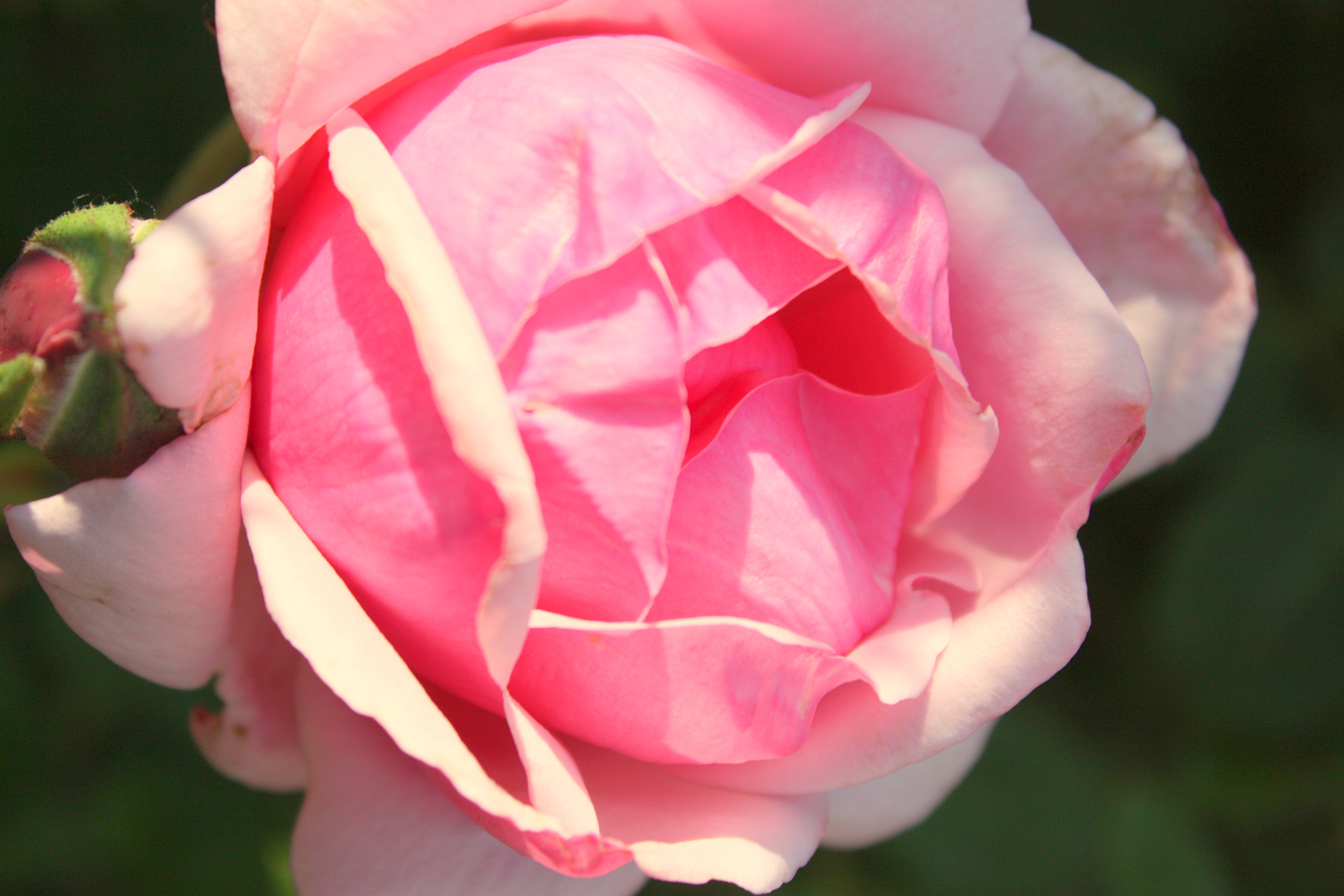
I’ve been in search of focus, calm, a quiet core of creativity and peace. However, like this rose blown about in the wind, the goal eludes me. The camera strives to focus, but can only capture pieces of clarity.

a rose in the wind      (c2013, EE)
a rose in the wind (c2013, EE)

There is light.

I’ve been finding old stories, pieces of unfinished poetry, barely-decipherable notes on odd scraps of paper towel or restaurant napkins or torn half-sheets from spiral-bound notebooks.

After long weeks and months of literary drought, ideas are coming, rain to parched ground.

No final decision has been made, but perhaps it is time to set aside editing for others, and write. Only write. Write until the dreams come true.


Fun With Research

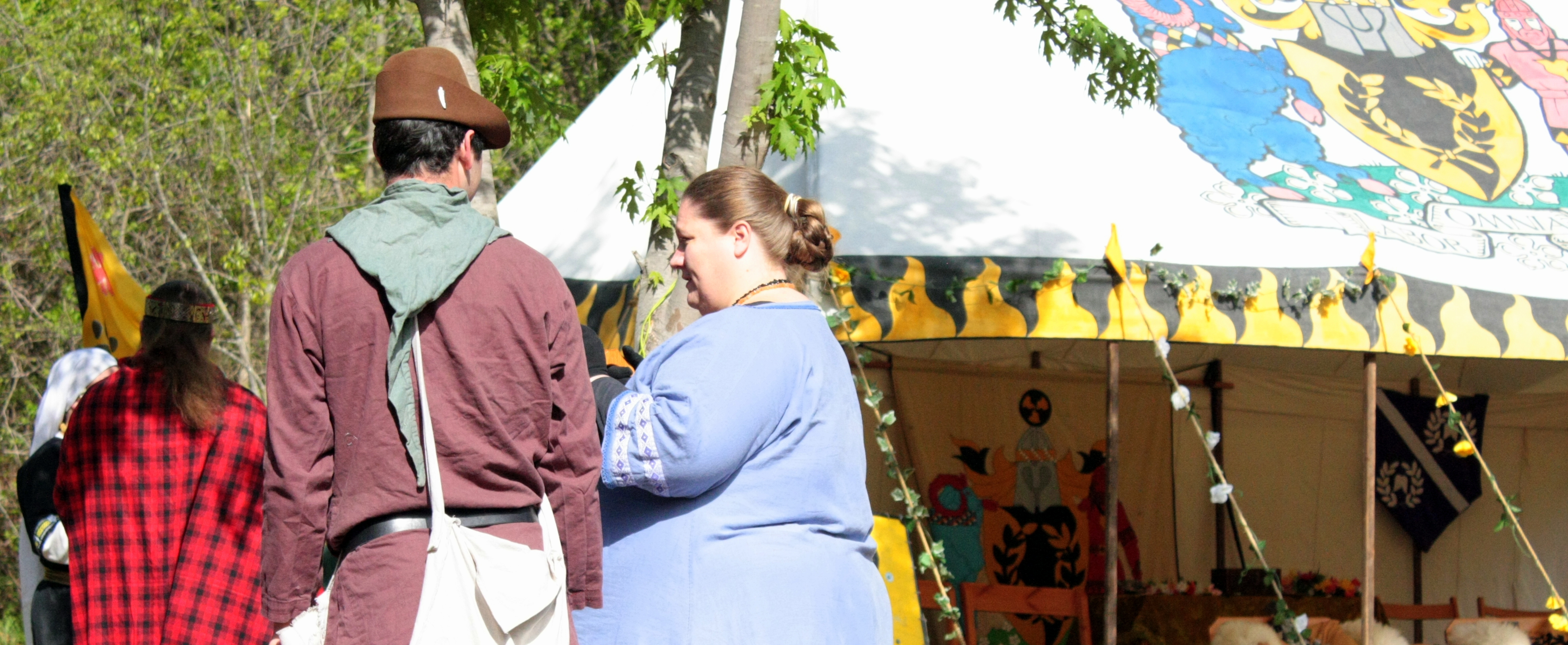
waiting for Morning Court to begin (Beltane 2013) c EE
waiting for Morning Court to begin (Beltane 2013)                                 c EE

A few weeks ago, I went on a research binge for a couple of novels — one complete, one in the works — and in the process sent out a lot of e-mail asking for help. I was amazed at how many people were willing and eager to answer questions and provide leads to other experts. I was equally surprised by those who were standoffish and almost suspicious.

I haven’t contacted the nearby police department yet — there’s time enough for that —  but efforts to speak to any of several local paranormal investigation teams were in vain. Nary a reply. Maybe they’re afraid of being mocked by a skeptic or an unbeliever. Maybe they have no time for someone not in need of their services. Maybe they’ve given up the gig, and all their contact information is obsolete.  (Given up the ghost? Ahem-ahem-ahem)

A few hours spent with writers at the OWFI conference, however, yielded an investigator who answered my questions with far more information than I expected, and in the process gave me new ideas for a scene involving teenage ghost hunters.

He did mention that I could pay for a training session, and participate in an actual investigation, but those are for true believers. Although it might help my research, it’s not my scene.

c2013, EE
c2013, EE
c2013, EE
c2013, EE

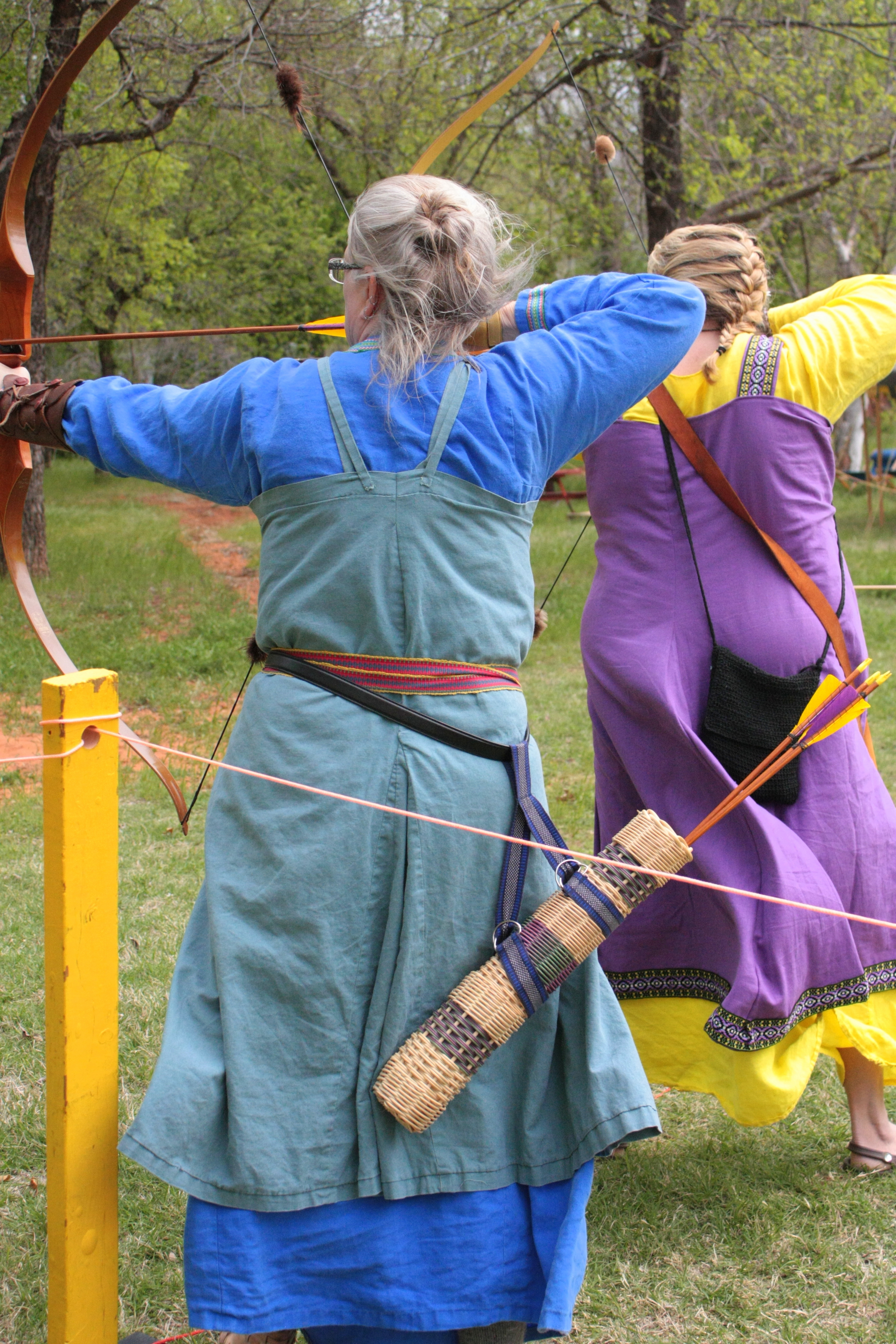
More in line with my interests, and one group that welcomed me, is the Barony of Namron, part of the SCA (Society for Creative Anachronism). They invited me to their annual Beltane event (a far milder and less pagan May Day than some). But rituals and pagan practices were not my focus, but smithing and all manner of crafts and weapons. No swordsmith that day, but a blacksmith named Simon, an archer named Lawrence, a few other craftsmen and warrior types, including female archers in Viking garb, and a whole lot of friendly folk willing to share their knowledge (and, in some case, volunteer other people as resources, but no one seemed to mind my nosiness).

There’s still much to ask, but first I have to know which are the right questions. Although I learned that I set up the smithy correctly in the novel, my blacksmith is limited in his knowledge due to my own ignorance.

He doesn’t have to know everything, because the story isn’t about the everyday life of a blacksmith — he just needs to be convincing and not sound or behave like an idiot. And, thanks to Simon, he won’t.

I hope.

After all, no matter how excellent the information, if I don’t use it correctly, my characters will suffer.

One solution is to be somewhat familiar with the topic before conducting interviews or gathering specifics. For instance, when I said I’m a writer doing research in order to make a fantasy novel more realistic in its details, people assumed knights and castles and tournaments and such.

c2013, EE
c2013, EE

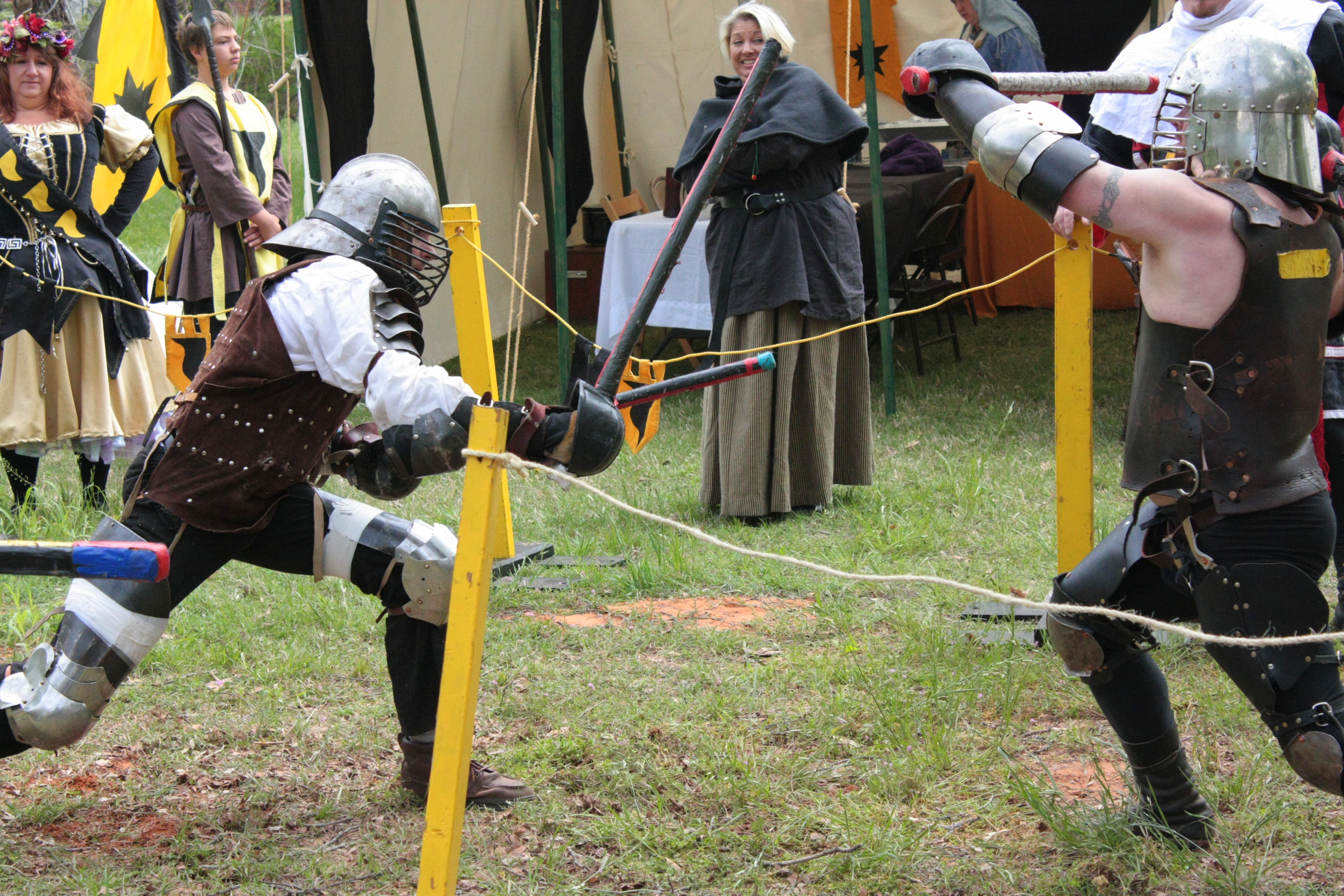
Nope. The fantasy novels are set in an earlier era than that of plate armor and heraldry. Still, it was fun to watch the combat.

Other topics to research further: archery terms and equipment, chain mail, swords (their making and their use), cooking, leather-working, and clothing.

No one looked sideways at me during the SCA event. Fellow geeks and all.

But what’ll they say at the police department when I start asking questions about homicides?

Found Stories

c2011, EE
c2011, EE

When I (briefly) wrote freelance human-interest stories for a small newspaper, my focus was on “found” stories: not major events, not orchestrated photo opportunities, but the everyday lives or histories of people in the community. If a story crossed my path, I followed it:  welcoming home a deployed spouse; surprising parents with a new house; caring for an indomitable adult son stricken with multiple sclerosis; hosting bluegrass and gospel jams each weekend at an old schoolhouse; reuniting with classmates fifty years after they scattered to serve in World War II.

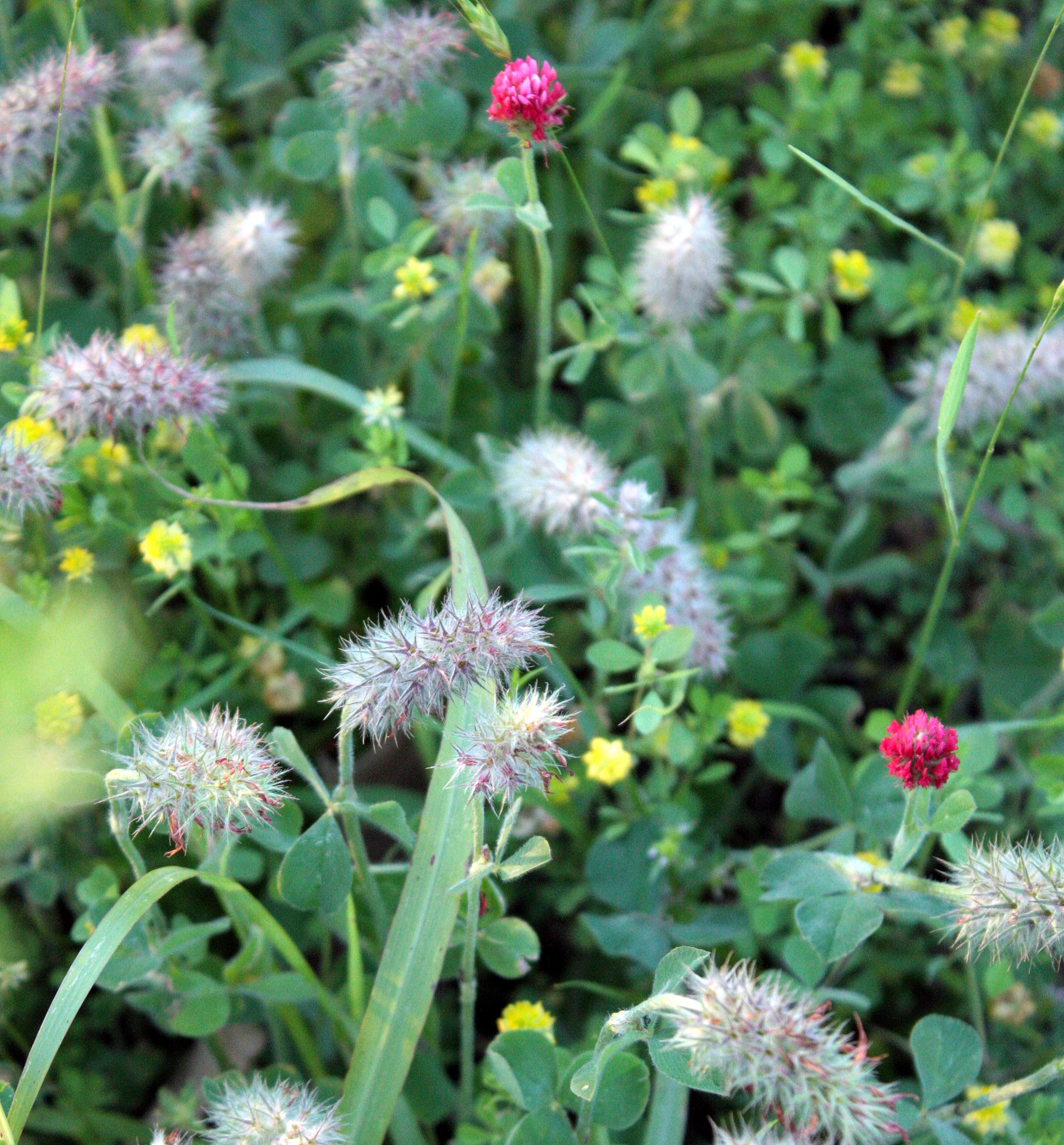
Photography is much the same: whatever strikes my fancy will be captured by the camera. The photo here is from 2011, taken at sunset on my way home along a backroad. Wildflowers (weeds) in a ditch caught my eye, so I stopped and spent a several minutes shooting them. Most were discarded, but I liked the bit of whimsy here.

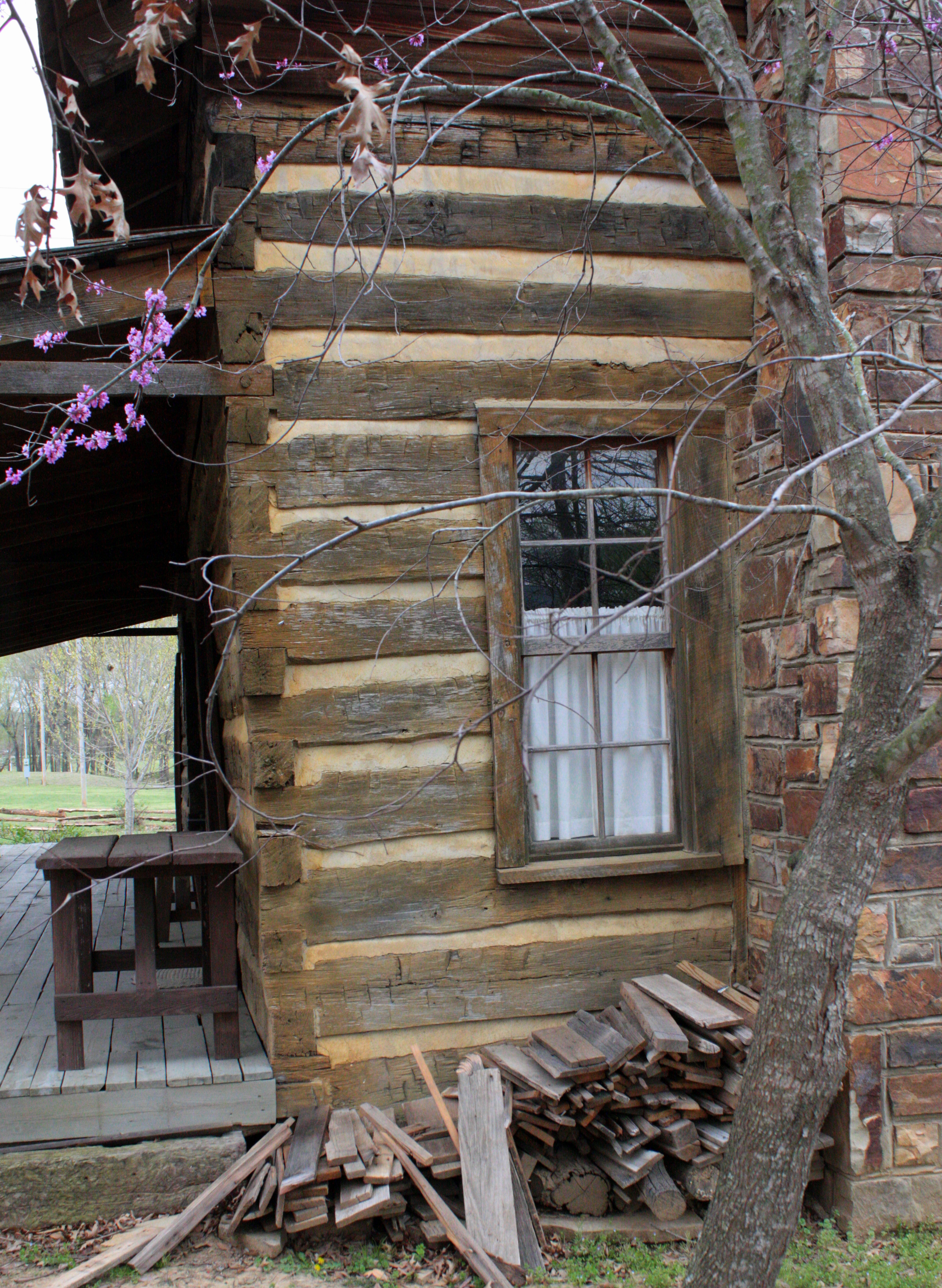
I also like pieces of history, such as this cabin, photographed several weeks before the clover.

c2011, EE
c2011, EE

Nearby is an old schoolhouse, a courthouse and jail constructed of stone, an old Army tank, a weathered barn, and a memorial to coalminers.

Something about the cabin, though, invites photographs.

A couple months later, a friend and I went on a writing-and-photography retreat for a weekend, and took a few shots of a town that clings to the mountains, full of history but now crowded with tourists, and overshadowed by social politics. Still, it remains a place full of photography opportunities.

c2011, EE
c2011, EE

We’ve been there many times on our own, I for writing conferences and history, she for exploring haunted places, but this time we decided to attempt a writing project together. After all, one of my favorite mystery series is written by a mother-son team; surely a couple of old friends who write all the time could collaborate on a novel, right?

Weeeellll, we attempted it, wrote a few pages and outline notes, and that’s as far as it went. Still, we had a blast, and those few days are a story in themselves, captured in memory and photographs that have, in turn, spurred imagination and the creation of fictional worlds.

Not so strange. A good photograph is like a story. It is a story.

Giddy

geranium     c EE, 2010
geranium                  c EE, 2010

Bizarre, but I have been laughing out loud for no reason other than sheer freedom and joy.

Sounds cheesy, maybe a little old fashioned, but joy is the word.

A person can write wherever he chooses. I am not bound to a place.

A person can write no matter who loves him. I am not bound to a person.

A person need not write to find creative expression. I am not bound to a pen.

In my quest for freedom — not for license, but for true freedom — I have discovered that I have been my own jailer. I chose my chains and wrapped them around myself.

I sought comfort and safety, and erected bars around myself to keep out anything that interfered with those two gods. I wanted never to be hurt again, and so avoided rejection and conflict by telling myself lies.

If the truth were going to set me free, I had first to acknowledge that it is true, and then allow it to do its work.

But truth-telling — and truth-allowing — requires humility, patience, love, and even a sense of humor. If I have nothing to prove, no chip on my shoulder, no axe to grind, the truth has elbow room: it can roll up its sleeves and do its job.

Amazing how much room joy has, too, once I decided what I really and truly want; once I knew what matters most.

One certainty: there’s no use wasting time beating against what I cannot change. My efforts, thoughts, hopes, and creativity are better spent in doing those things that are within my scope to change and to accomplish.

In Hamlet, Polonius said to Laertes, “To thine own self be true, and it must follow, as the night the day, thou canst not then be false to any man,” to which I add this saying by martyred missionary Jim Elliott: “He is no fool who gives up what he cannot keep to gain what he cannot lose.”

I know who I am. I have nothing to prove. I am free. The world lies yonder, waiting for me.

The Blue Chair

c. 2010, EE
c. 2010, EE

For the confused among us, no, this is not a blue chair. It’s quite yellow, in fact, and it’s nowhere near as fancy as the one described in the poem below, but this is a favorite photo of mine, taken on a hotel balcony one autumn while I and a friend were on a writing retreat. The cropping is odd because there was clutter on the balcony, but the light was perfect.

The Blue Chair

It absorbs my attention
like a black hole vacuums light –
a lone blue chair
amid dull grey and faded black,

a flamboyant woman
attending a black-tie affair
in a periwinkle gown,

delicate scrolling arms
swirling in metallic mazes
leading nowhere.

c. 2004, EE