Found Stories

c2011, EE
c2011, EE

When I (briefly) wrote freelance human-interest stories for a small newspaper, my focus was on “found” stories: not major events, not orchestrated photo opportunities, but the everyday lives or histories of people in the community. If a story crossed my path, I followed it:  welcoming home a deployed spouse; surprising parents with a new house; caring for an indomitable adult son stricken with multiple sclerosis; hosting bluegrass and gospel jams each weekend at an old schoolhouse; reuniting with classmates fifty years after they scattered to serve in World War II.

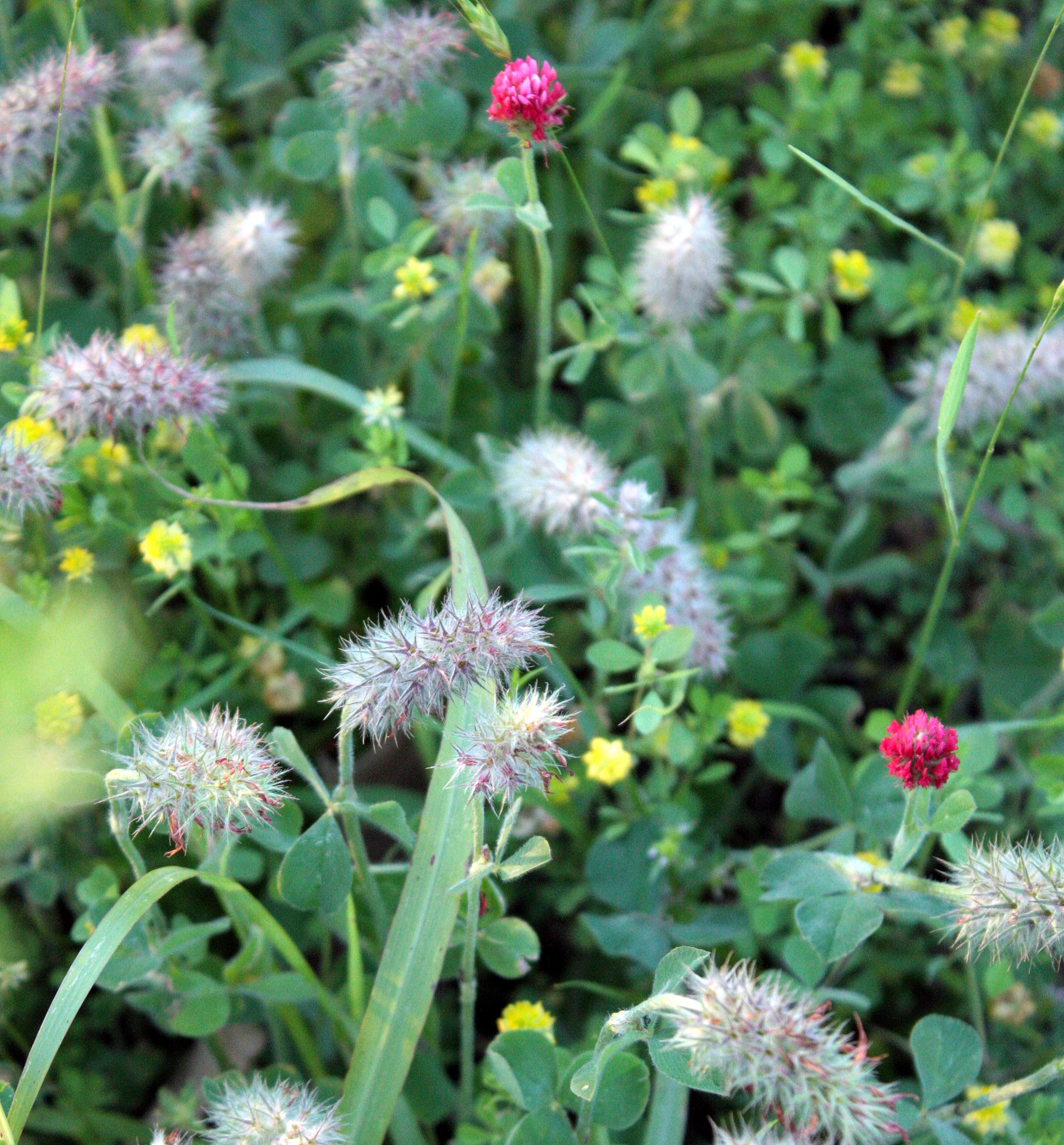
Photography is much the same: whatever strikes my fancy will be captured by the camera. The photo here is from 2011, taken at sunset on my way home along a backroad. Wildflowers (weeds) in a ditch caught my eye, so I stopped and spent a several minutes shooting them. Most were discarded, but I liked the bit of whimsy here.

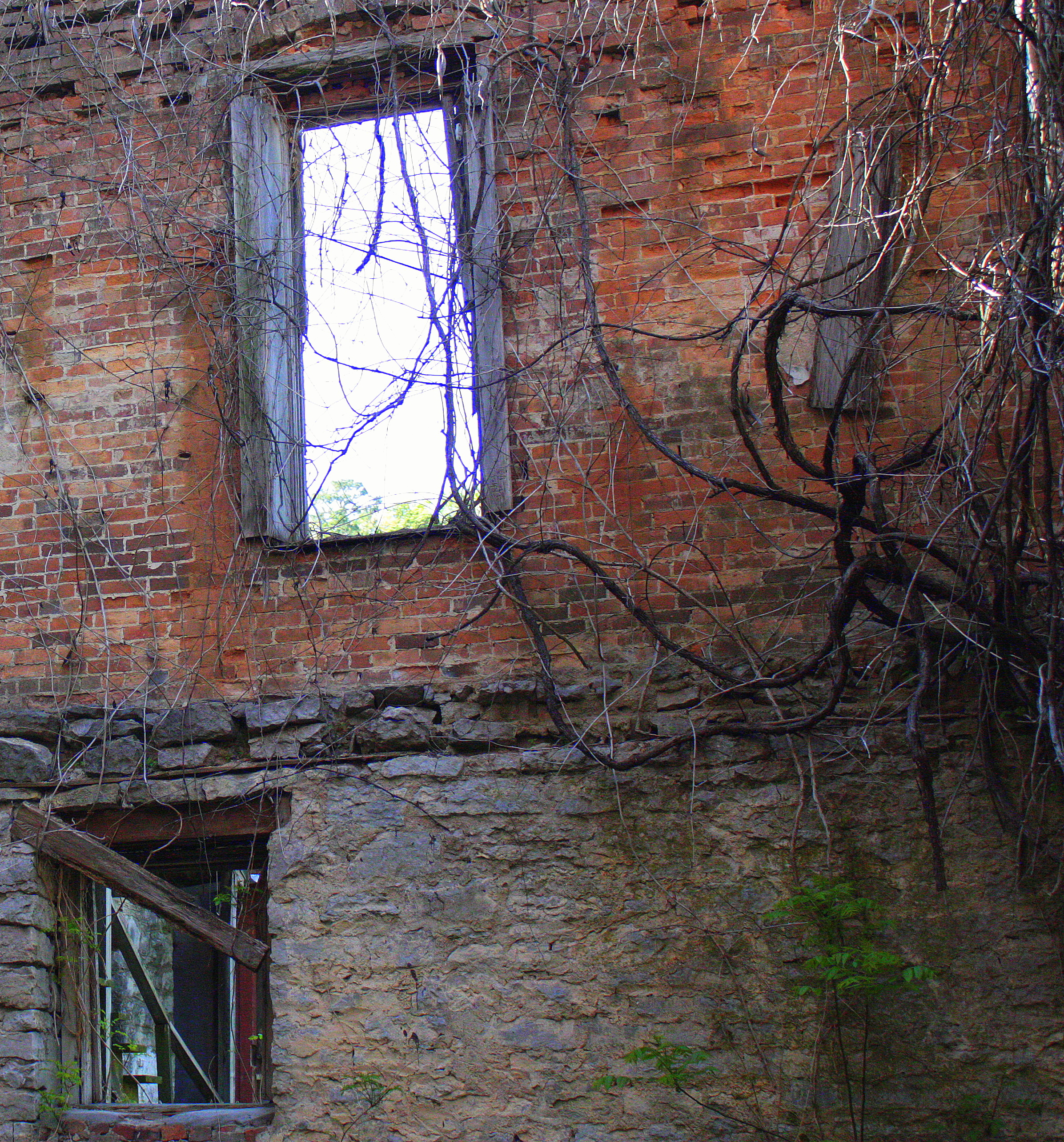
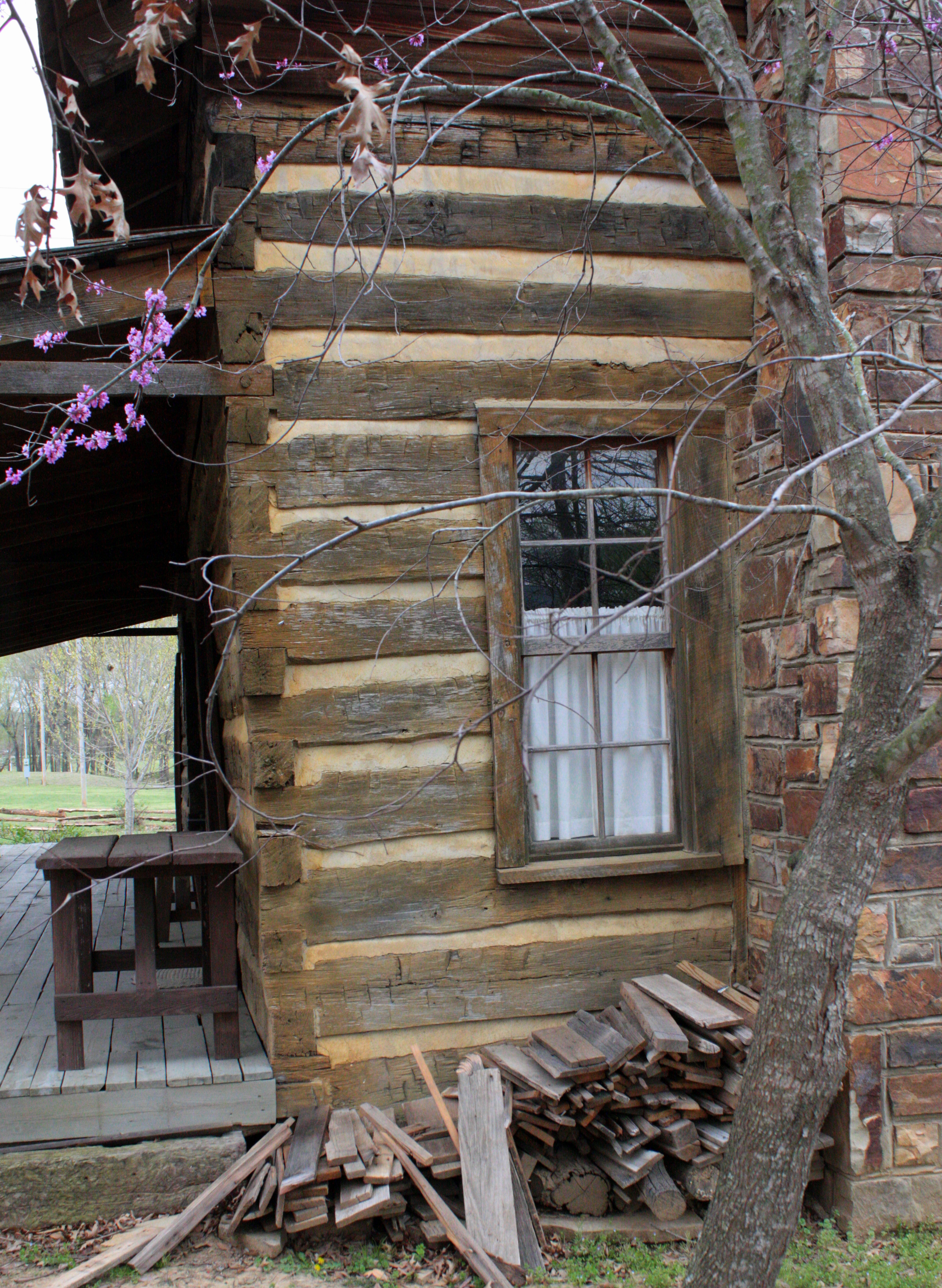
I also like pieces of history, such as this cabin, photographed several weeks before the clover.
c2011, EE
c2011, EE

Nearby is an old schoolhouse, a courthouse and jail constructed of stone, an old Army tank, a weathered barn, and a memorial to coalminers.

Something about the cabin, though, invites photographs.

A couple months later, a friend and I went on a writing-and-photography retreat for a weekend, and took a few shots of a town that clings to the mountains, full of history but now crowded with tourists, and overshadowed by social politics. Still, it remains a place full of photography opportunities.

c2011, EE
c2011, EE

We’ve been there many times on our own, I for writing conferences and history, she for exploring haunted places, but this time we decided to attempt a writing project together. After all, one of my favorite mystery series is written by a mother-son team; surely a couple of old friends who write all the time could collaborate on a novel, right?

Weeeellll, we attempted it, wrote a few pages and outline notes, and that’s as far as it went. Still, we had a blast, and those few days are a story in themselves, captured in memory and photographs that have, in turn, spurred imagination and the creation of fictional worlds.

Not so strange. A good photograph is like a story. It is a story.

Spring Cleaning

c2011, EE
c2011, EE

E-mail flooded my inbox, and much of it looked interesting or required a response, but life (people) needed attention, and there was writing and editing to do, so the virtual stack of mail grew into a mountain.

Just the existence of all that information, all those questions, all those updates from friends, was enough stress to make my brain shut down.

Nothing to do but deal with the most pressing messages, compose responses, and then (sigh) toss the rest.

Cold, aren’t I?

Actually, none of my friends or colleagues were ignored, but newsletters, blog posts, industry news, reports — all jettisoned to lighten the load.

As a result, I may be less informed, less inspired, but, wow, do I feel free!

Giddy

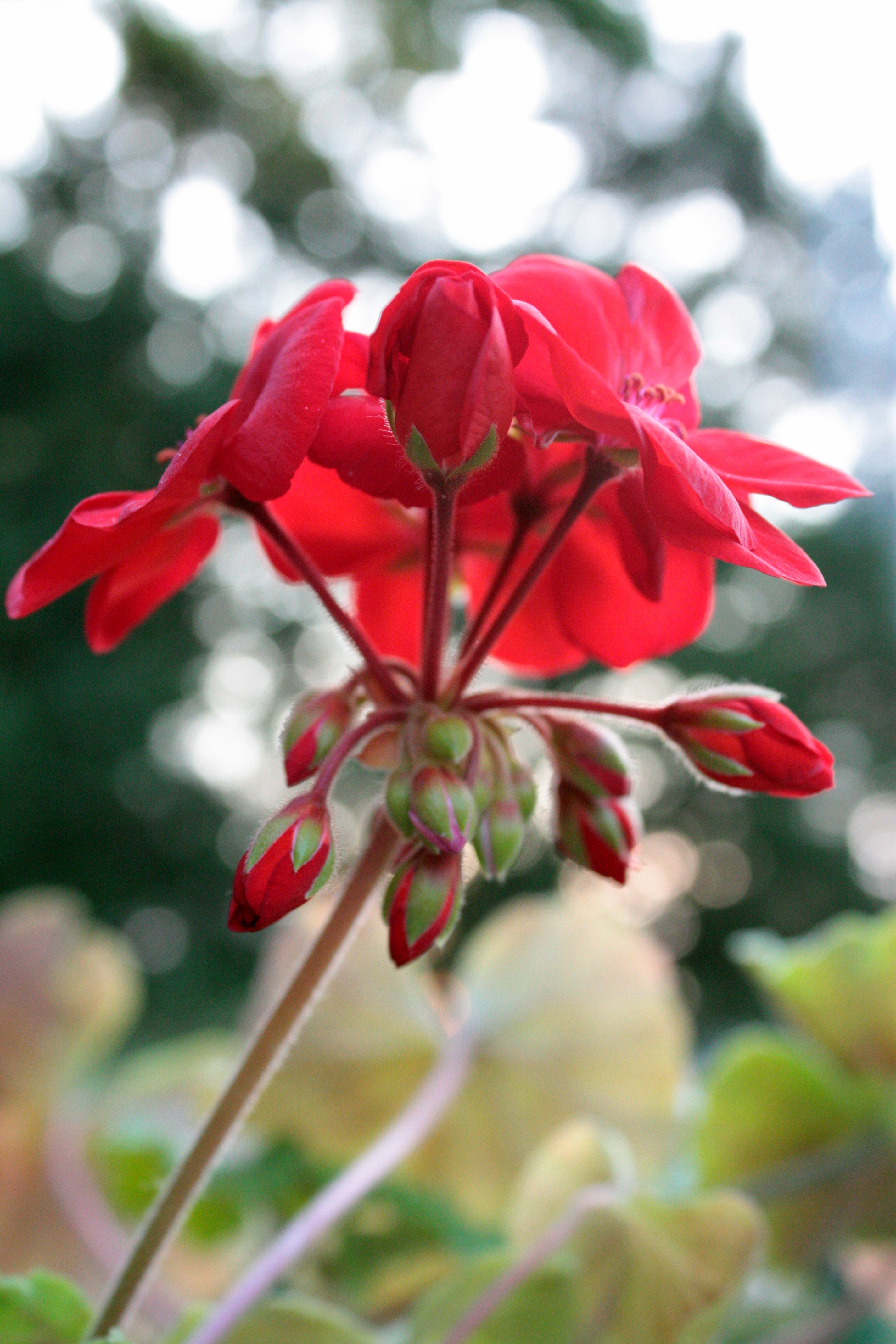
geranium     c EE, 2010
geranium                  c EE, 2010

Bizarre, but I have been laughing out loud for no reason other than sheer freedom and joy.

Sounds cheesy, maybe a little old fashioned, but joy is the word.

A person can write wherever he chooses. I am not bound to a place.

A person can write no matter who loves him. I am not bound to a person.

A person need not write to find creative expression. I am not bound to a pen.

In my quest for freedom — not for license, but for true freedom — I have discovered that I have been my own jailer. I chose my chains and wrapped them around myself.

I sought comfort and safety, and erected bars around myself to keep out anything that interfered with those two gods. I wanted never to be hurt again, and so avoided rejection and conflict by telling myself lies.

If the truth were going to set me free, I had first to acknowledge that it is true, and then allow it to do its work.

But truth-telling — and truth-allowing — requires humility, patience, love, and even a sense of humor. If I have nothing to prove, no chip on my shoulder, no axe to grind, the truth has elbow room: it can roll up its sleeves and do its job.

Amazing how much room joy has, too, once I decided what I really and truly want; once I knew what matters most.

One certainty: there’s no use wasting time beating against what I cannot change. My efforts, thoughts, hopes, and creativity are better spent in doing those things that are within my scope to change and to accomplish.

In Hamlet, Polonius said to Laertes, “To thine own self be true, and it must follow, as the night the day, thou canst not then be false to any man,” to which I add this saying by martyred missionary Jim Elliott: “He is no fool who gives up what he cannot keep to gain what he cannot lose.”

I know who I am. I have nothing to prove. I am free. The world lies yonder, waiting for me.

The Blue Chair

c. 2010, EE
c. 2010, EE

For the confused among us, no, this is not a blue chair. It’s quite yellow, in fact, and it’s nowhere near as fancy as the one described in the poem below, but this is a favorite photo of mine, taken on a hotel balcony one autumn while I and a friend were on a writing retreat. The cropping is odd because there was clutter on the balcony, but the light was perfect.

The Blue Chair

It absorbs my attention
like a black hole vacuums light –
a lone blue chair
amid dull grey and faded black,

a flamboyant woman
attending a black-tie affair
in a periwinkle gown,

delicate scrolling arms
swirling in metallic mazes
leading nowhere.

c. 2004, EE

Preparing — and Dreaming

The sky is hazy, a gray veil over pallid blue, as if dreaming of spring but not yet ready to leave winter.

a March day, c. 2012, EE

Like the sky, I miss the sun, and strain toward the new season, knowing it will bring storms as well as sunshine, but longing for change, for newness.

My mind has been occupied with preparations and what awaits: a new house, a new state, a new church, a new city. For someone accustomed to small-town living, I have enjoyed living in the suburb of a city. It breaks the metropolis into manageable pieces. Makes the city not so scary.

In fact, since I’ve been here, I’ve not seen the city proper, just my small radius of comfort.

It’ll be much the same in the new place. However, I’ll be challenged to explore there: old friends live nearby, museums beckon, a memorial stands silent and compelling, history soaks into the very bones.

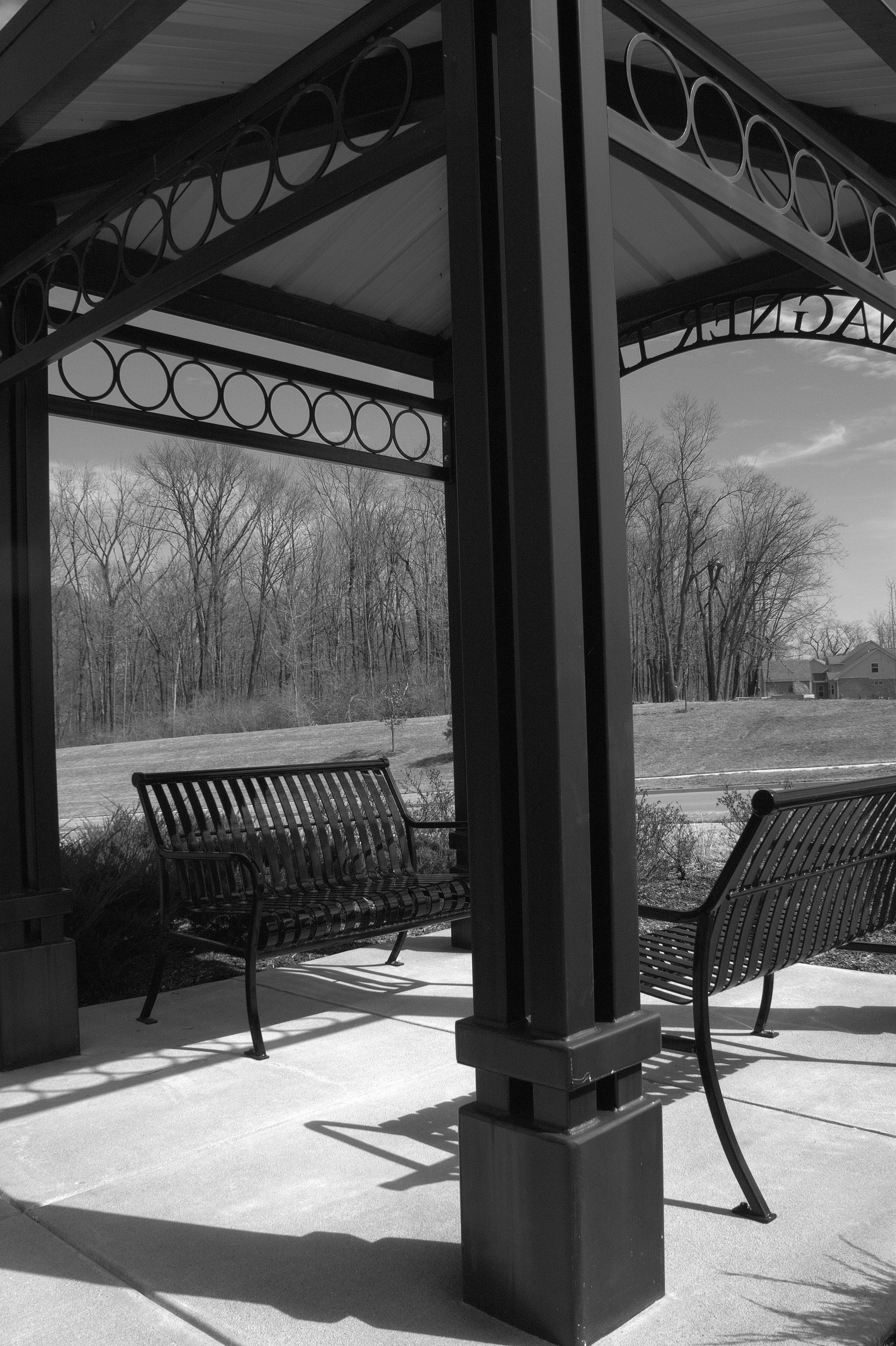
Once this frenzy passes, and preparation yields to action, then action to settling in, perhaps my mind will quiet enough to see the way back into a novel too long set aside by the expediencies of life. Perhaps I can sit in silence and play the story as if it were a movie hovering in the air before me, and once more populate empty benches with imagined characters.


A Bit of an Editorial Rant

This past autumn, a question was posed in an online group to which I belong:

I’m an editor, struggling with how to get the best from authors who are not professional writers. As an author myself, I know how easy it is to squelch the delicate creative voice inside, but I need to ensure readability and standards. I also want multiple submissions from this group of authors who are…experts on a narrow topic, so I don’t have many to choose from. How much editing is too much, how much too little? And how do you facilitate the editor-author interaction?

Readability and standards — both of them are concepts writers should understand. Yes, in your own point of view, you’ve told a wonderful story (or, in the case of the nonfiction authors mentioned above, a fascinating piece of nonfiction), but how readable is it? Have you paid attention to grammar and sentence structure and all the nuts-and-bolts stuff that makes a good story easy to read? Or have you tossed all your ideas onto the page in the literary version of a rubbish heap, and now you’re expecting someone else to make it pretty?

Even if grammar or spelling or punctuation isn’t your strength, learn it.

Ask questions. Read reference materials. Look up information online. Consult fellow writers and readers. Talk to experts.

KNOW your craft. HONE your craft.

If that sounds easier said than done, it is.

The hard work must still be done.

Why should anyone else — least of all, an editor — care about your work if you do not?

I wasn’t born knowing how to put together a story or how edit one. I didn’t arrive in this world knowing how to spell, nor even how to speak. None of us were — but we learned.

My response to the above question:

In response to whether or not an editor should rewrite sentences, or simply confine edits to comments in the margin: A good editor does both. It’s not about making over the manuscript into the editor’s image, but about helping the author produce his best work.

Sometimes, a comment in the margin can only confuse the matter, especially when explaining points of grammar, so rewriting the sentence is an excellent form of illustrating the point. Often, I rewrite sentences when they don’t say what the author intends (subject-verb agreement, for instance, or misplaced modifiers).

I’ll also restructure paragraphs that don’t flow well. In those instances, I generally don’t have to rewrite anything, but rearrange the sentences so the ideas will build on each other in a logical or more fluid manner.

My favorite kind of author to work with is one who approaches the editing process with trust and as a partnership, knowing that I want what he wants: an excellent end result = a clean, strong novel that readers will enjoy.

That enjoyment is lessened if they’re constantly stumbling over awkward paragraphs or convoluted sentences.

After all the rough drafts and messiness of the creation process have been cleared away, and you’ve set about polishing your jewel of a novel, pay attention to your audience, and help them enjoy your work.

And that’s what it’s all about, right? Serving our readers.

Blackberries

Blackberry_ClusterI remember the plump sound of blackberries hitting the bottom of a metal pail, and the purple-black stains they bled onto my fingers. I ate as many as I put in the bucket, and likely more. Although I feared the bees that nested in the briar patch sweetness, I bore more scars from thorns than from stings, for nothing kept me from hunting the treasures on those broad-leafed vines.

Yet, as I grew from adventurous child to uncertain adult, life yielded less fruit until its vines were bare even of leaves. I continued to search, but the day came when — like the caged bird whose bloody wings can bear the pain of hope no longer — I turned from the briars, hung my empty pail upon a peg, and commanded myself to grow up; to accept there are no magic kingdoms in this world; to realize control is an illusion; to see that love is a deed, not a word; to know happiness is a snowflake, not a diamond. I must weep no more.

Where once I wore thin sundresses in which to gather berries, I now wore armor that grew thicker with each stinging encounter. Even my soul was encased in iron.

The brambles behind me withered, yet their brown thorns honed in death, clawing at Memory, for it could wear no skin tough enough to fend off the sudden ambushes of the past.

Then, longing for days of excitement and wonder, I wept. Armor rusted and fell away. Tributaries of hurt, anger, fear and loss fed the torrent, flowing out to flood fallow ground and dormant dreams.

Green appeared, and hope returned. New vines grew from tangled thorns, for now sun reached golden fingers toward the seeds, revealing an ancient truth that is new only to youth and folly: “to everything there is a season, and a time to every purpose under heaven.”

Taking the old metal pail from its peg, I went down to the blackberry patch, and there I met life and reached deep into its heart to pluck from it the fruit that grows there, sweet despite the thorns.

— E. Easter