
A few weeks ago, I went on a research binge for a couple of novels — one complete, one in the works — and in the process sent out a lot of e-mail asking for help. I was amazed at how many people were willing and eager to answer questions and provide leads to other experts. I was equally surprised by those who were standoffish and almost suspicious.
I haven’t contacted the nearby police department yet — there’s time enough for that — but efforts to speak to any of several local paranormal investigation teams were in vain. Nary a reply. Maybe they’re afraid of being mocked by a skeptic or an unbeliever. Maybe they have no time for someone not in need of their services. Maybe they’ve given up the gig, and all their contact information is obsolete. (Given up the ghost? Ahem-ahem-ahem)
A few hours spent with writers at the OWFI conference, however, yielded an investigator who answered my questions with far more information than I expected, and in the process gave me new ideas for a scene involving teenage ghost hunters.
He did mention that I could pay for a training session, and participate in an actual investigation, but those are for true believers. Although it might help my research, it’s not my scene.
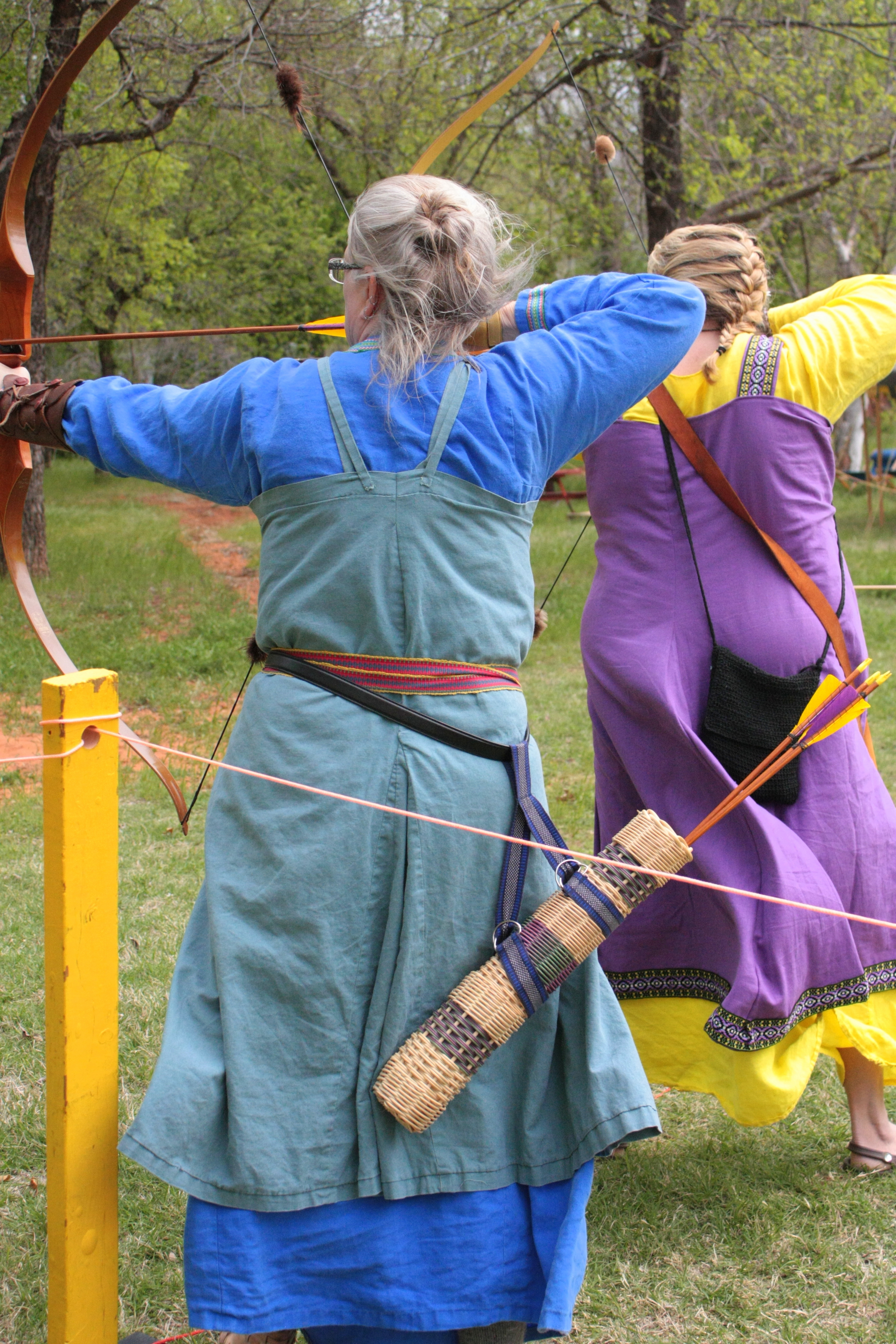

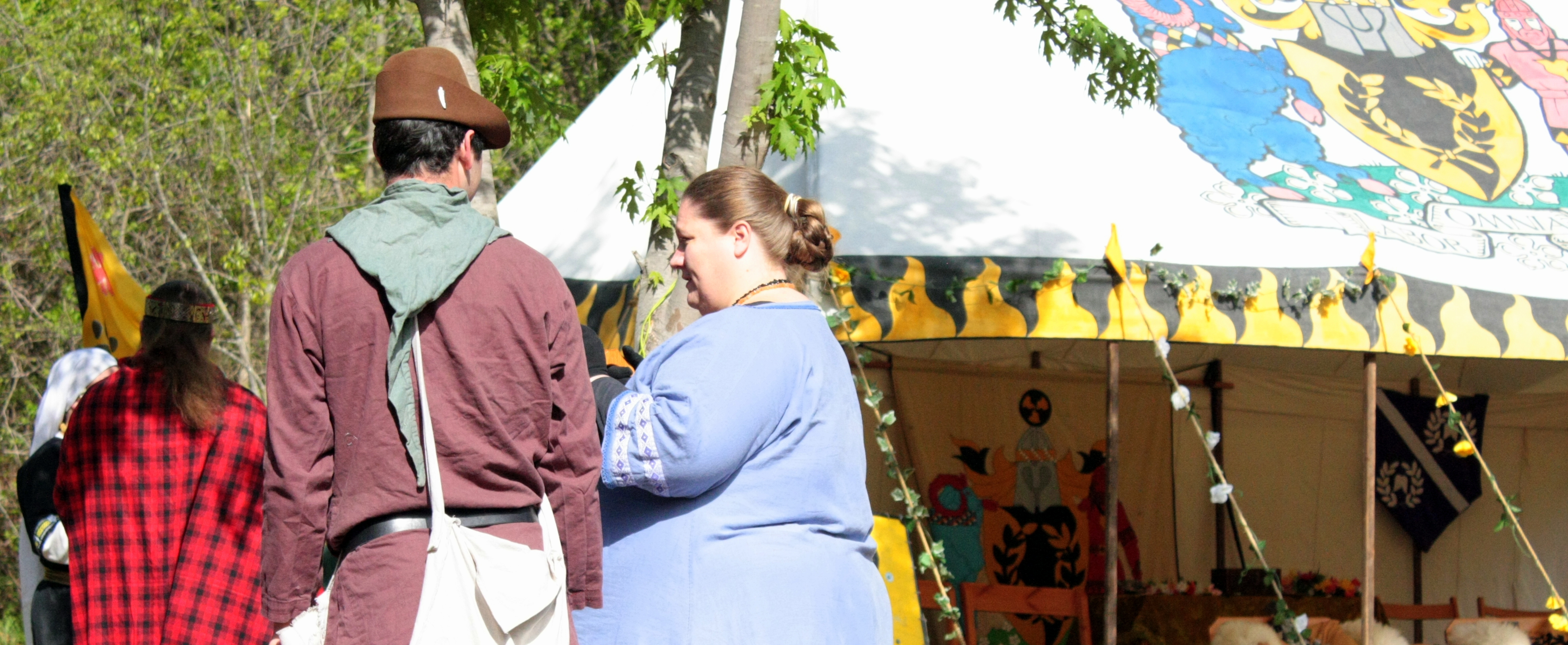
More in line with my interests, and one group that welcomed me, is the Barony of Namron, part of the SCA (Society for Creative Anachronism). They invited me to their annual Beltane event (a far milder and less pagan May Day than some). But rituals and pagan practices were not my focus, but smithing and all manner of crafts and weapons. No swordsmith that day, but a blacksmith named Simon, an archer named Lawrence, a few other craftsmen and warrior types, including female archers in Viking garb, and a whole lot of friendly folk willing to share their knowledge (and, in some case, volunteer other people as resources, but no one seemed to mind my nosiness).
There’s still much to ask, but first I have to know which are the right questions. Although I learned that I set up the smithy correctly in the novel, my blacksmith is limited in his knowledge due to my own ignorance.
He doesn’t have to know everything, because the story isn’t about the everyday life of a blacksmith — he just needs to be convincing and not sound or behave like an idiot. And, thanks to Simon, he won’t.
I hope.
After all, no matter how excellent the information, if I don’t use it correctly, my characters will suffer.
One solution is to be somewhat familiar with the topic before conducting interviews or gathering specifics. For instance, when I said I’m a writer doing research in order to make a fantasy novel more realistic in its details, people assumed knights and castles and tournaments and such.
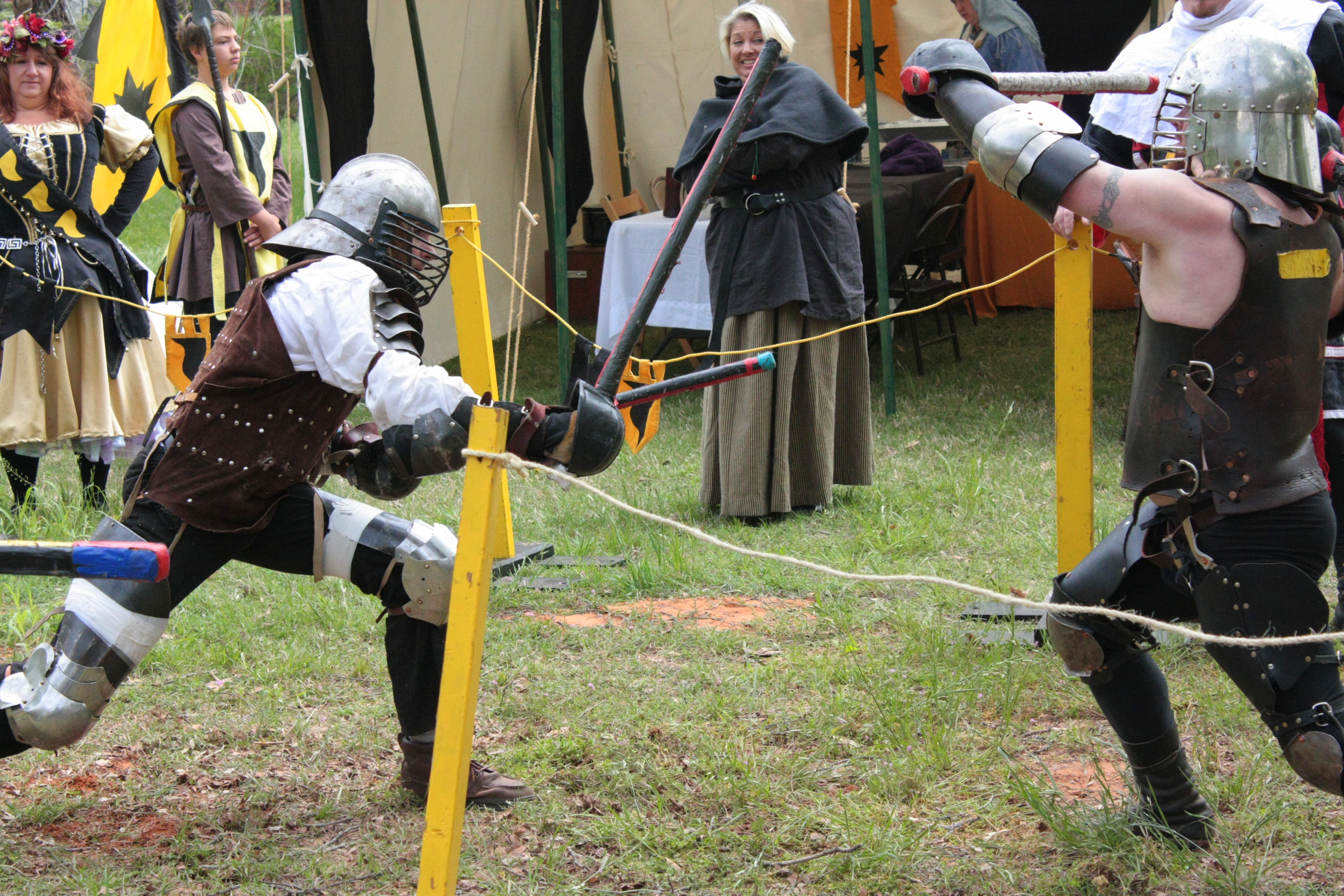
Nope. The fantasy novels are set in an earlier era than that of plate armor and heraldry. Still, it was fun to watch the combat.
Other topics to research further: archery terms and equipment, chain mail, swords (their making and their use), cooking, leather-working, and clothing.
No one looked sideways at me during the SCA event. Fellow geeks and all.
But what’ll they say at the police department when I start asking questions about homicides?









 Penworthy Press